
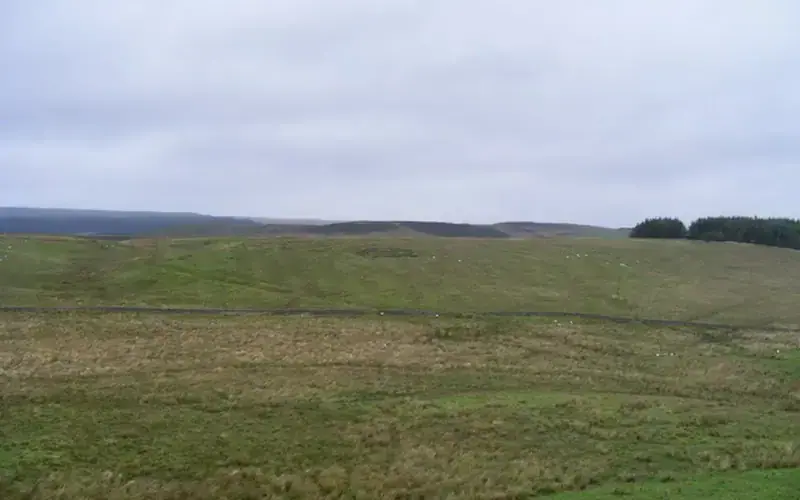
 PAUL FARMER · CC BY-SA 2.0
 Why visit
Housesteads Roman Fort is worth allowing time for because it combines surviving archaeological evidence that makes an otherwise distant period unusually tangible. The site is more useful than a quick photograph: its surviving features give clear evidence of how the place developed and how people used it. Key things to concentrate on are surviving structures and excavated features, site interpretation connecting remains with their period, main landscape viewpoints and geological, coastal, moorland or mountain features. Its position in or near Hexham also makes it a practical anchor for exploring the surrounding region without reducing the visit to a simple landmark stop.
What you will see
- surviving structures and excavated features.
- site interpretation connecting remains with their period.
- main landscape viewpoints.
- geological, coastal, moorland or mountain features.
History
Housesteads was built as a Roman auxiliary fort on Hadrian’s Wall in the 2nd century AD. Its remains preserve the fort plan, gateways, barracks and dramatic setting on the Whin Sill ridge.
Photographs
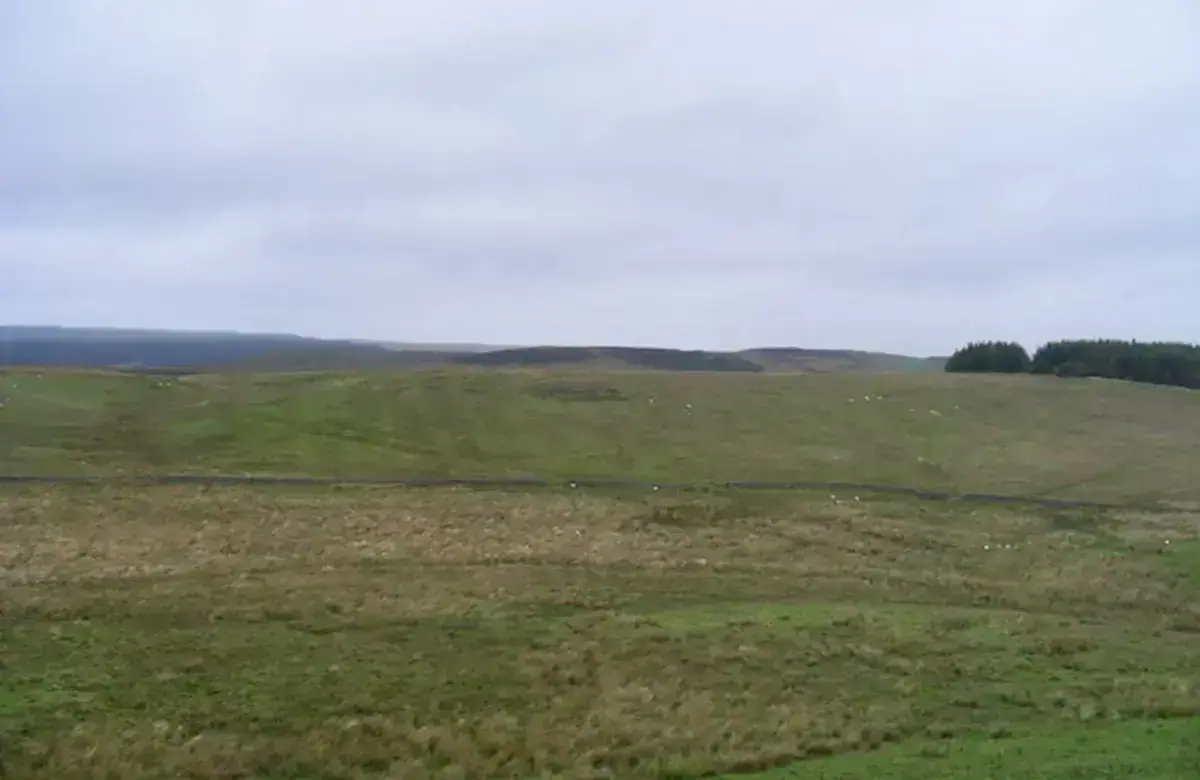
PAUL FARMER · CC BY-SA 2.0 · full attribution on the image credits page.
Visitor tips
- 1
Allow enough time for the principal features rather than treating the stop only as a photograph.
- 2
Check the official visitor page shortly before travel for access, booking and any temporary restrictions.
About North East England
Durham, Northumberland castles, Hadrian’s Wall, Holy Island and open-air industrial history.
Open the United Kingdom guide


