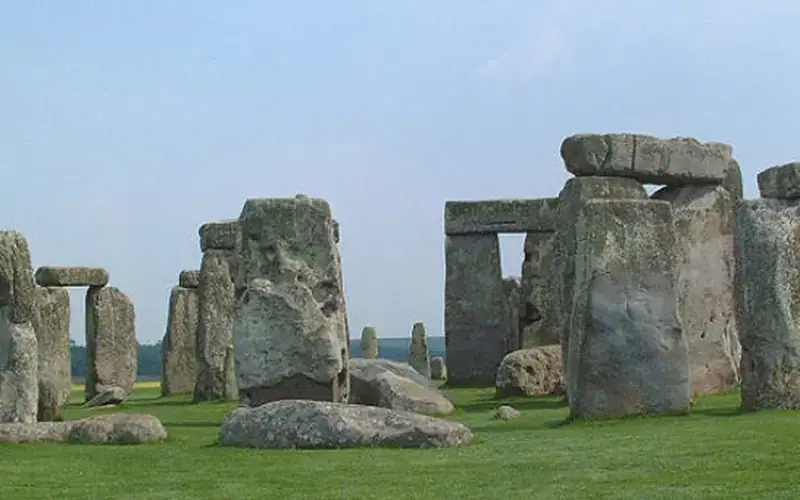
 Michael Robinson · CC BY-SA 2.0
 Why visit
Durdle Door is worth allowing time for because it combines a distinctive landscape that can be understood through geology, land use and carefully chosen walking viewpoints. The site is more useful than a quick photograph: its surviving features give clear evidence of how the place developed and how people used it. Key things to concentrate on are main landscape viewpoints and geological, coastal, moorland or mountain features. Its position in or near West Lulworth also makes it a practical anchor for exploring the surrounding region without reducing the visit to a simple landmark stop.
What you will see
- main landscape viewpoints.
- geological, coastal, moorland or mountain features.
History
Durdle Door is a natural limestone arch created by marine erosion along the Jurassic Coast. The surrounding rocks record geological change across roughly 185 million years of Earth history.
Photographs
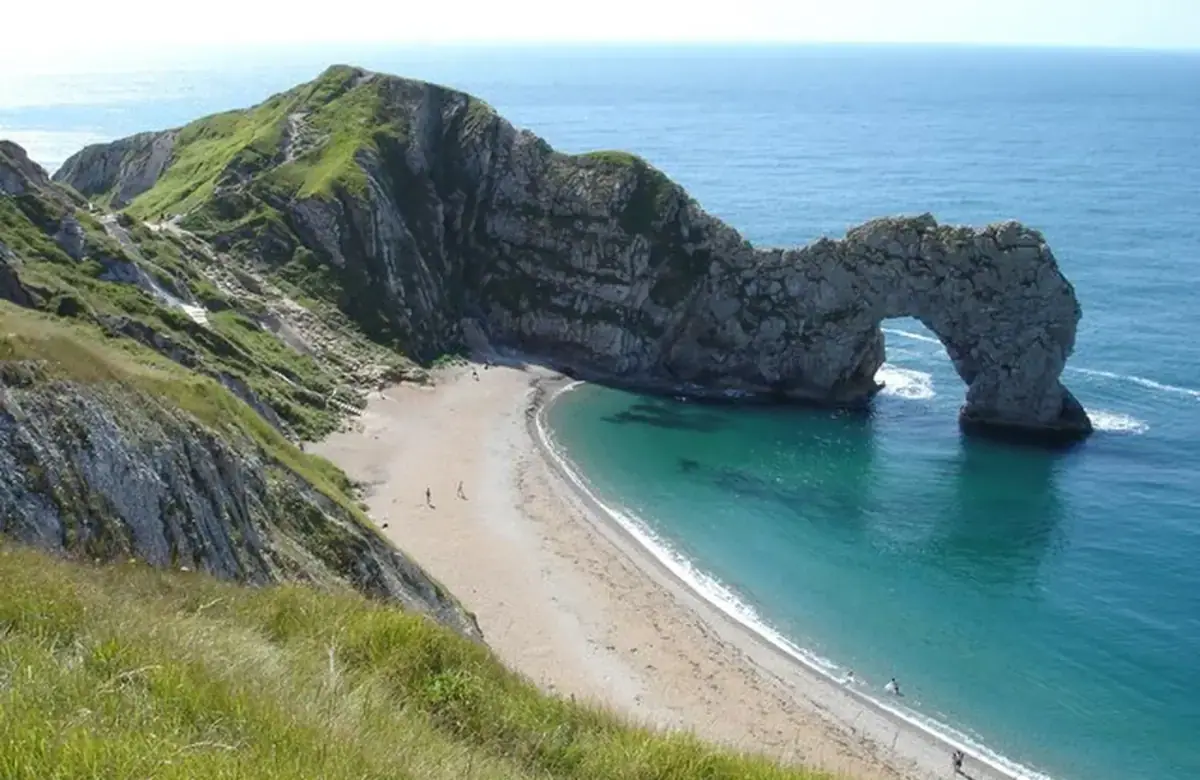
Michael Robinson · CC BY-SA 2.0 · full attribution on the image credits page.
Visitor tips
- 1
Allow enough time for the principal features rather than treating the stop only as a photograph.
- 2
Check the official visitor page shortly before travel for access, booking and any temporary restrictions.
About South West England
Prehistoric monuments, Georgian Bath, Bristol engineering, the Jurassic Coast, Cornwall and the moorland national parks.
Open the United Kingdom guide