 Monikoska · CC BY-SA 4.0
 Why visit
The botanical garden offers a different reading of Gothenburg from its harbour and museums. Plant collections are arranged both systematically and aesthetically, allowing seasonal displays, rock gardens, woodland and cultivated borders to be compared within one large site. The transition into more natural slopes also makes the garden feel connected to the surrounding landscape rather than sealed off as an urban park. Labels and interpretation support botanical interest, but the physical design remains important: paths, terraces and changes in elevation create distinct zones. It is particularly useful for travellers seeking a slower outdoor visit within the city.
What you will see
- rock and alpine garden areas.
- seasonal borders and cultivated collections.
- woodland paths linking towards Änggårdsbergen.
History
The garden opened in the early 1920s as part of Gothenburg’s civic development around the city’s 300th anniversary period. It has since grown as both a public garden and a centre for plant conservation and botanical work.
Photographs
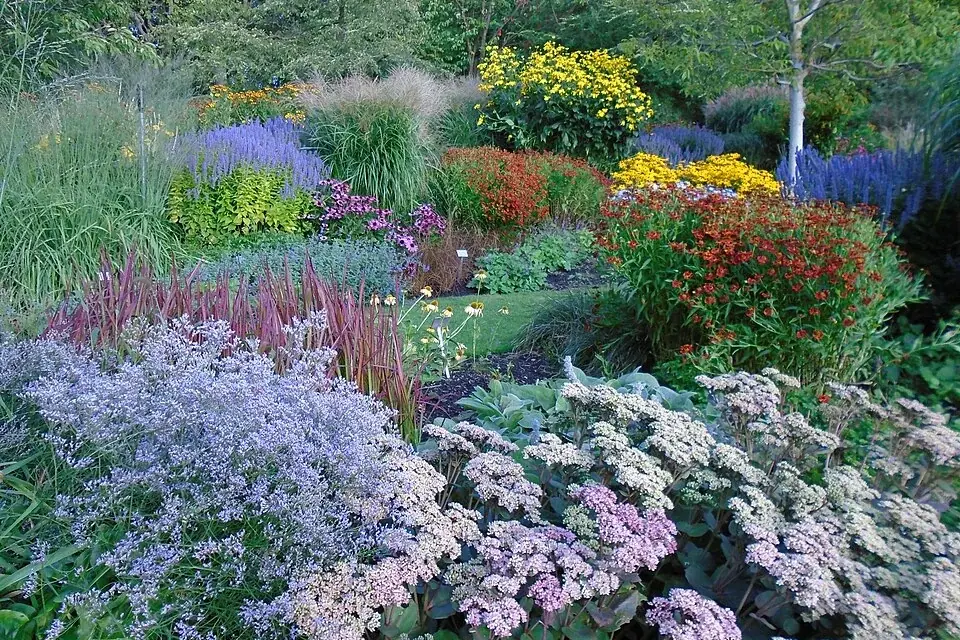
Monikoska · CC BY-SA 4.0 · full attribution on the image credits page.
Visitor tips
- 1
Check the official source shortly before travel for current access and visitor arrangements.
- 2
rock and alpine garden areas is a useful first reference point for understanding the site.
About West Sweden
Gothenburg and the Bohuslän coast combine major museums and family attractions with granite islands, fishing settlements, fortresses, Bronze Age rock art and marine nature.
Open the Sweden guide