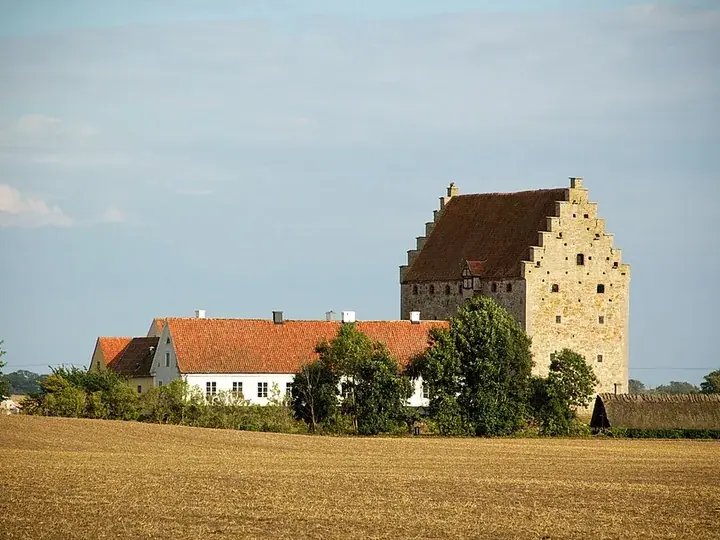
 C-M · CC BY-SA 3.0
 Why visit
Glimmingehus is useful because the building preserves both domestic ambition and defensive thinking in a remarkably concentrated form. Massive stone walls, narrow passages, vaulted rooms and defensive details reveal how status, comfort and security were combined at the end of the Middle Ages. The relatively isolated rural setting also helps the manor read as an estate stronghold rather than an urban castle. Interior interpretation can clarify kitchens, storage, circulation and the practical life of the household. It offers a different scale of medieval architecture from Lund Cathedral or Malmö Castle and gives south-eastern Skåne a strong historical anchor.
What you will see
- vaulted stone rooms and thick defensive walls.
- historic kitchen and service spaces.
- late-medieval defensive details and circulation.
History
The manor was built around the turn of the 16th century for the Danish nobleman Jens Holgersen Ulfstand, at a time when Skåne formed part of Denmark. Its robust construction helped preserve much of the original medieval fabric.
Photographs
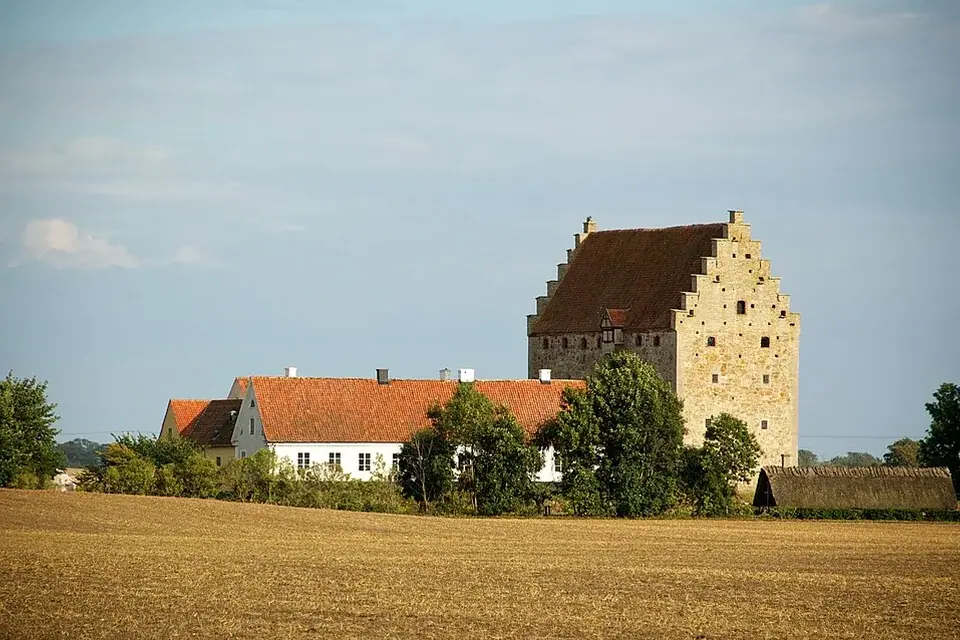
C-M · CC BY-SA 3.0 · full attribution on the image credits page.
Visitor tips
- 1
Check the official source shortly before travel for current access and visitor arrangements.
- 2
vaulted stone rooms and thick defensive walls is a useful first reference point for understanding the site.
About Skåne
Sweden’s southernmost region offers medieval Lund and Ystad, Malmö’s fortress heritage, designed gardens and a varied coast of cliffs, beaches and wooded national park landscapes.
Open the Sweden guide