 Riiga · CC BY-SA 3.0
 Why visit
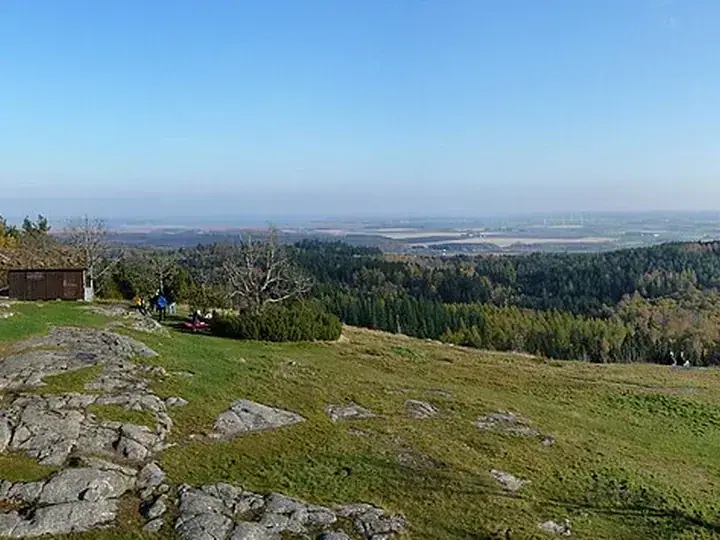
Omberg works well as a landscape destination because several layers are visible at once. Forest trails rise to viewpoints over Lake Vättern and the agricultural plain, while limestone geology supports varied plant life and distinctive terrain. Archaeological remains and nearby medieval sites show that the mountain has also been a cultural landmark for a long period. The contrast between high wooded slopes and the open lake edge gives walks a strong sense of geography without requiring a long wilderness expedition. A visit can therefore combine moderate hiking, natural history and regional heritage in one place.
What you will see
- lake views from the mountain slopes.
- woodland trails and limestone habitats.
- prehistoric and historic remains in the Omberg landscape.
History
Omberg has been used and settled around for thousands of years, leaving prehistoric and later archaeological traces. Its forests were historically managed for royal and state interests before modern conservation placed greater emphasis on biodiversity and public access.
Photographs
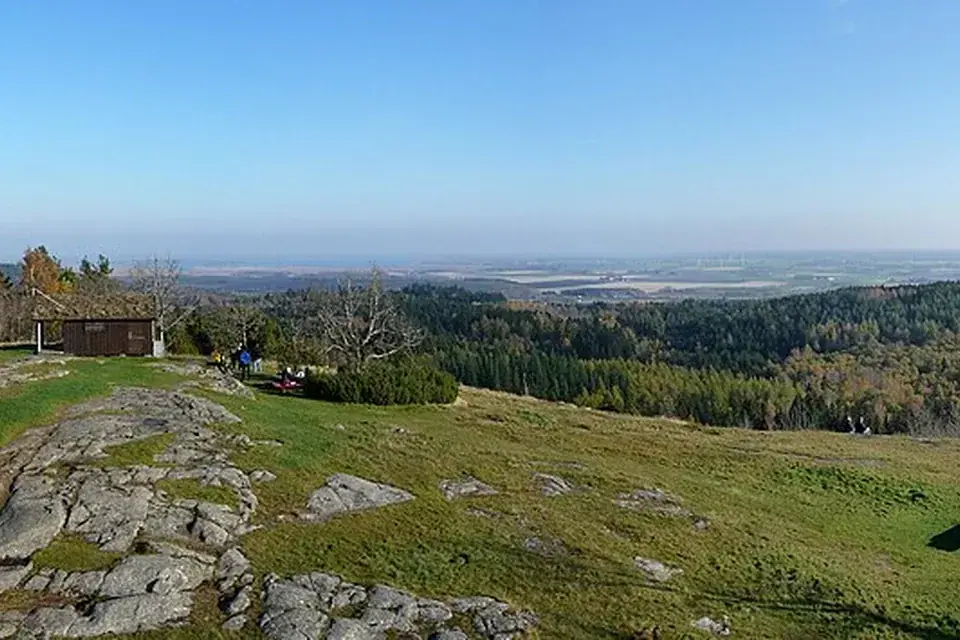
Riiga · CC BY-SA 3.0 · full attribution on the image credits page.
Visitor tips
- 1
Check the official source shortly before travel for current access and visitor arrangements.
- 2
lake views from the mountain slopes is a useful first reference point for understanding the site.
About Södermanland and Östergötland
South of Stockholm, small Baltic towns, Vasa-era castles, medieval church centres and the Göta Canal provide a varied transition towards central southern Sweden.
Open the Sweden guide