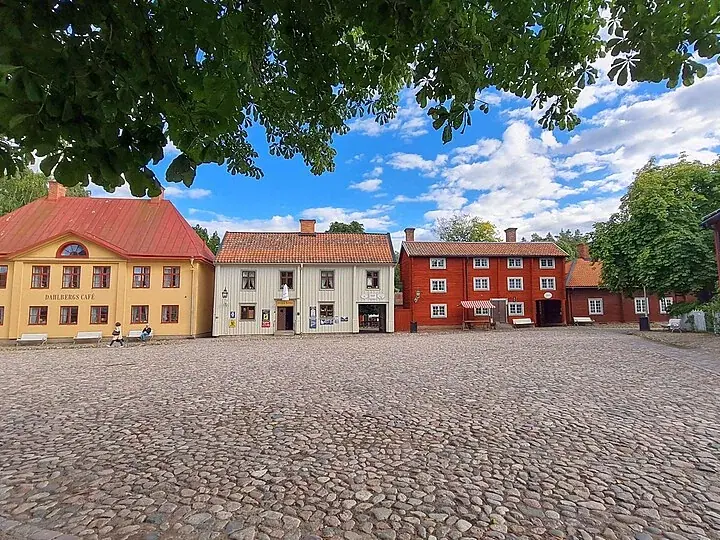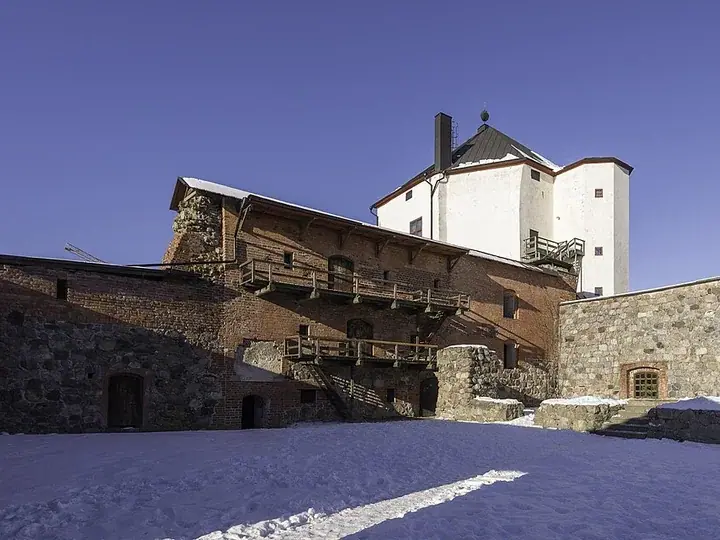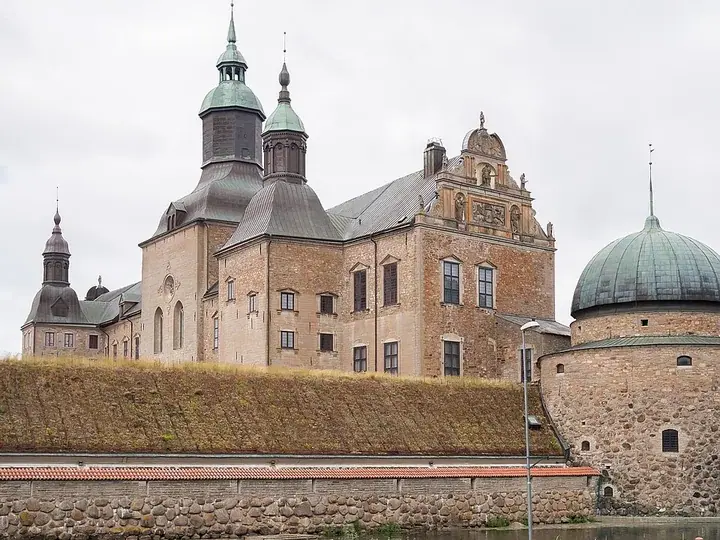
 Flygvapenmuseum / Torsten Nilsson · CC BY 4.0
 Why visit
The Swedish Air Force Museum is strongest when engineering and political history are viewed together. Aircraft ranging from early aviation to Cold War types show how design priorities changed, while exhibitions place them within Swedish defence policy, neutrality and everyday service life. Technical objects are balanced by personal material, so the collection does not read only as a sequence of machines. Malmslätt also has a long association with Swedish aviation, which gives the museum a meaningful setting. It is a substantial counterpoint to Linköping’s medieval centre and broadens a regional itinerary into 20th-century science, industry and defence.
What you will see
- historic Swedish military aircraft.
- Cold War and defence-history exhibitions.
- engines, equipment and aviation technology.
History
Malmslätt became an important Swedish aviation site in the early 20th century. The Air Force Museum opened in the 1980s and was later expanded, with the collection continuing to document Swedish military aviation and its wider context.
Photographs

Flygvapenmuseum / Torsten Nilsson · CC BY 4.0 · full attribution on the image credits page.
Visitor tips
- 1
Check the official source shortly before travel for current access and visitor arrangements.
- 2
historic Swedish military aircraft is a useful first reference point for understanding the site.
About Södermanland and Östergötland
South of Stockholm, small Baltic towns, Vasa-era castles, medieval church centres and the Göta Canal provide a varied transition towards central southern Sweden.
Open the Sweden guide