 Sven Rentzhog · CC BY-SA 3.0
 Why visit
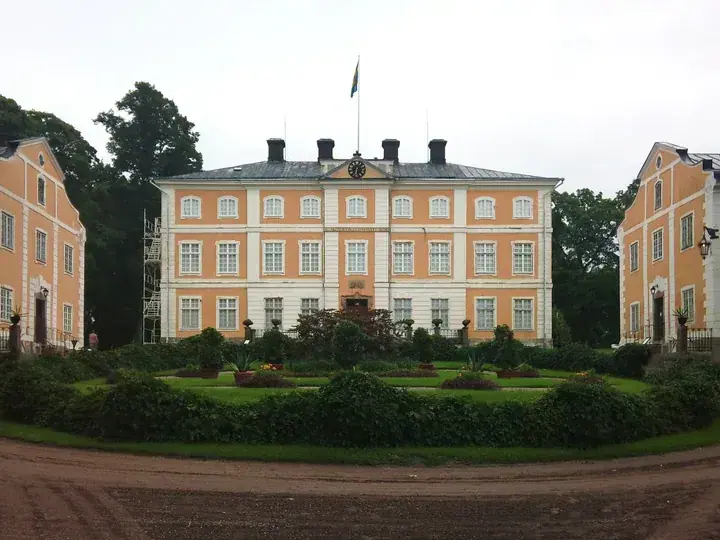
Julita Manor brings together architecture, farming, gardens and domestic history in one coherent estate landscape. The main house and wings establish the formal centre, while barns, workers’ buildings, orchards and other structures show the wider system needed to sustain a large property. This breadth makes the site useful for understanding social relationships that are less visible in a single furnished house. Seasonal garden and farm elements also reinforce the connection between landscape and household economy. The estate’s museum role preserves both elite interiors and practical rural material, giving a fuller picture of central Swedish country life.
What you will see
- the manor house and flanking wings.
- historic gardens and orchard areas.
- farm buildings and rural-life collections.
History
Julita has medieval roots and later developed as a large manor estate. Its last private owner, Arthur Bäckström, donated the property to the Nordic Museum in 1941 so that the historic estate environment could be preserved.
Photographs
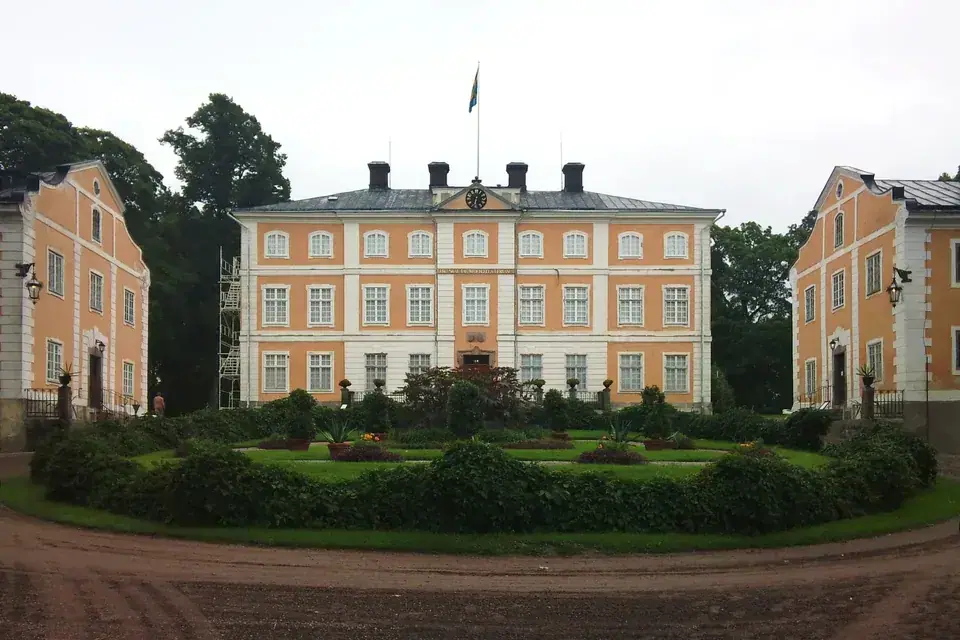
Sven Rentzhog · CC BY-SA 3.0 · full attribution on the image credits page.
Visitor tips
- 1
Check the official source shortly before travel for current access and visitor arrangements.
- 2
the manor house and flanking wings is a useful first reference point for understanding the site.
About Södermanland and Östergötland
South of Stockholm, small Baltic towns, Vasa-era castles, medieval church centres and the Göta Canal provide a varied transition towards central southern Sweden.
Open the Sweden guide