 Sharon Hahn Darlin · CC BY 2.0
 Why visit
The Nordic Museum gives cultural context to many of the landscapes and historic houses encountered elsewhere in Sweden. Displays draw together domestic interiors, clothing, celebrations, craft, work and social change, allowing objects to explain how daily life shifted across different periods and regions. The monumental hall and purpose-built museum architecture are part of the visit, but the collections carry the main weight. It works particularly well alongside Skansen because one site preserves buildings and environments while the other interprets objects, customs and the ideas attached to them.
What you will see
- the Great Hall and monumental museum architecture.
- historic interiors, textiles and dress.
- collections on customs, celebrations and everyday life.
History
Artur Hazelius began collecting material for what became the Nordic Museum in the 1870s. The present building on Djurgården opened in 1907 and has since served as a major centre for documenting Swedish and Nordic cultural history.
Photographs
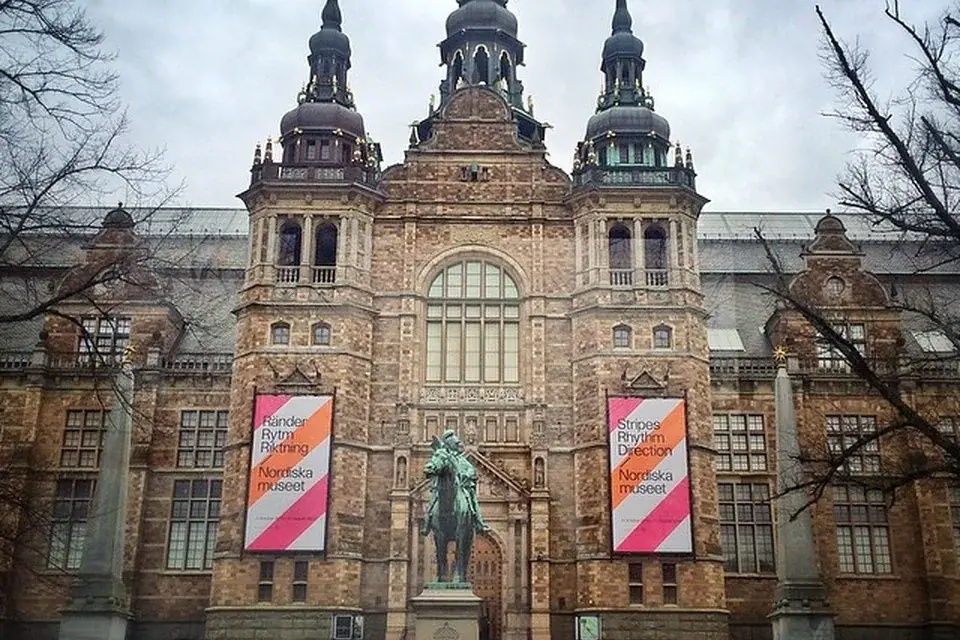
Sharon Hahn Darlin · CC BY 2.0 · full attribution on the image credits page.
Visitor tips
- 1
Check the official source shortly before travel for current access and visitor arrangements.
- 2
the Great Hall and monumental museum architecture is a useful first reference point for understanding the site.
About Stockholm and the Archipelago
Sweden’s capital region combines the medieval city core, royal and civic landmarks, major museums and accessible Baltic-side nature.
Open the Sweden guide