 Moskenes · CC BY 4.0
 Why visit
ICEHOTEL Jukkasjärvi is worth time for a changing form of temporary architecture in which material, climate and contemporary art are inseparable, offering a very different design experience from Sweden’s historic buildings. Key elements include ice and snow architecture, artist-designed rooms and sculptures, and the Torne River setting that supplies the ice. Together these features place the destination within the wider story of Swedish Lapland. Attention to layout, materials, landscape and surviving details helps explain how the place has developed, functioned or been understood over time. It has enough substance for a focused visit and also connects naturally with a broader regional itinerary.
What you will see
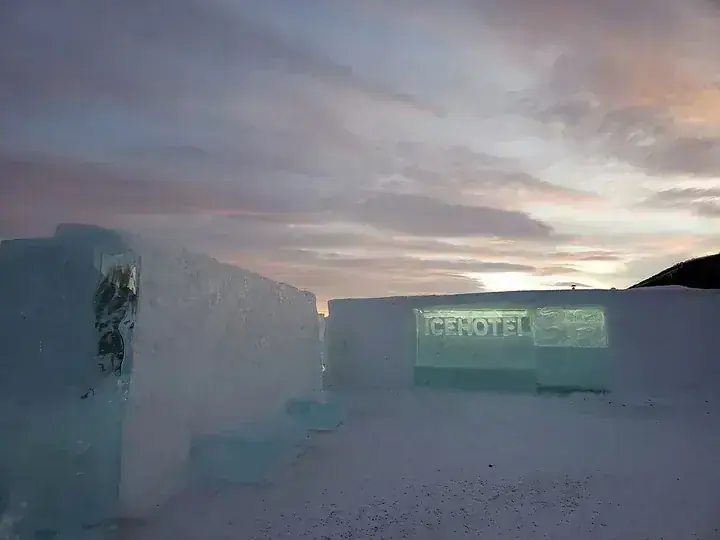
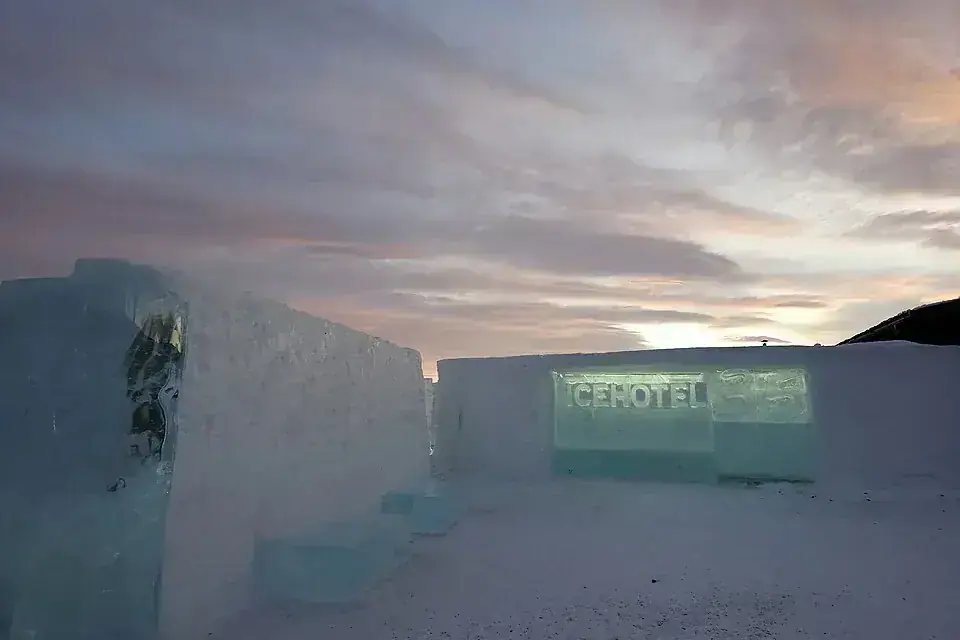
- ice and snow architecture.
- artist-designed rooms and sculptures.
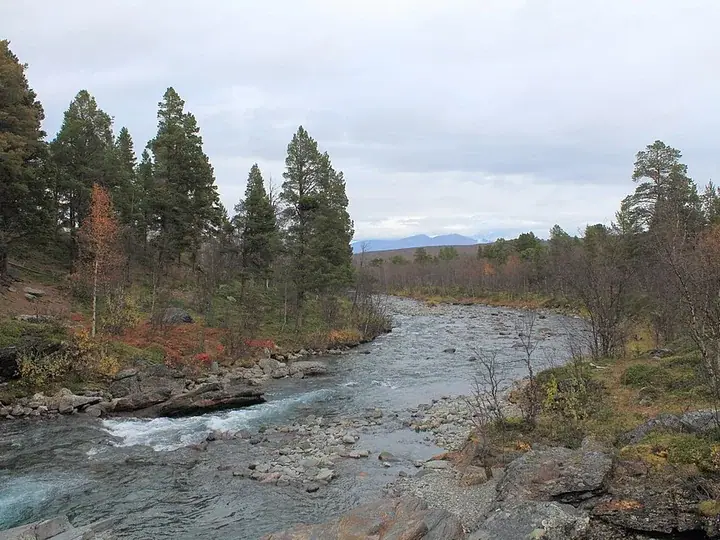
- the Torne River setting that supplies the ice.
History
The ICEHOTEL project began around 1989–1990 from winter art and ice-building experiments beside the Torne River. Seasonal rooms are rebuilt from snow and ice, while a permanent cold section extends the concept beyond winter.
Photographs
Moskenes · CC BY 4.0 · full attribution on the image credits page.
Visitor tips
- 1
Time should be allowed for the principal interiors and interpretation rather than only the entrance area.
- 2
ice and snow architecture is a useful first reference point for understanding the site.
About Swedish Lapland
Swedish Lapland brings together Sámi cultural interpretation, mountain national parks, long-distance trailheads, Arctic hospitality and Sweden’s modern space-research landscape.
Open the Sweden guide