 AleWi · CC0 1.0
 Why visit
Liseberg is worth time for a large urban leisure park with enough variety for different age groups, and a useful example of how the legacy of Gothenburg’s 1923 jubilee exhibition evolved into a continuing public attraction. Key elements include major rides and family attractions, landscaped park areas, and seasonal entertainment and performance spaces. Together these features place the destination within the wider story of West Sweden. Attention to layout, materials, landscape and surviving details helps explain how the place has developed, functioned or been understood over time. It has enough substance for a focused visit and also connects naturally with a broader regional itinerary.
What you will see
- major rides and family attractions.
- landscaped park areas.
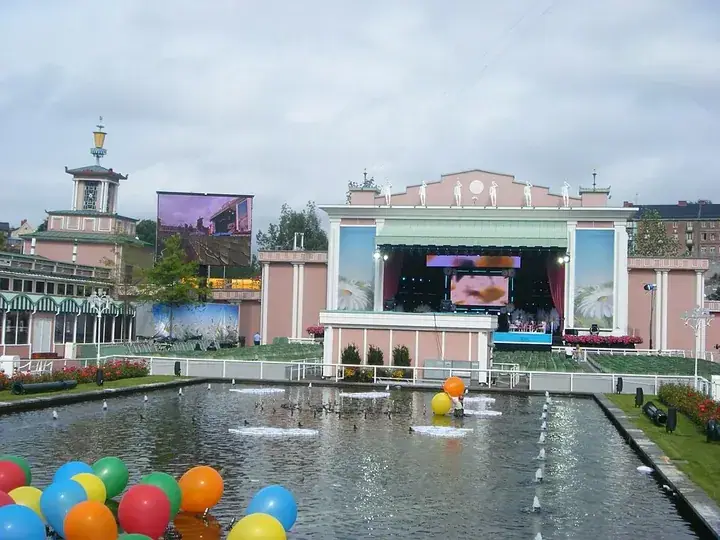
- seasonal entertainment and performance spaces.
History
Liseberg opened in 1923 in connection with Gothenburg’s tercentenary exhibition. It developed into a large urban amusement park while retaining landscaped areas and historic associations with the exhibition site.
Photographs
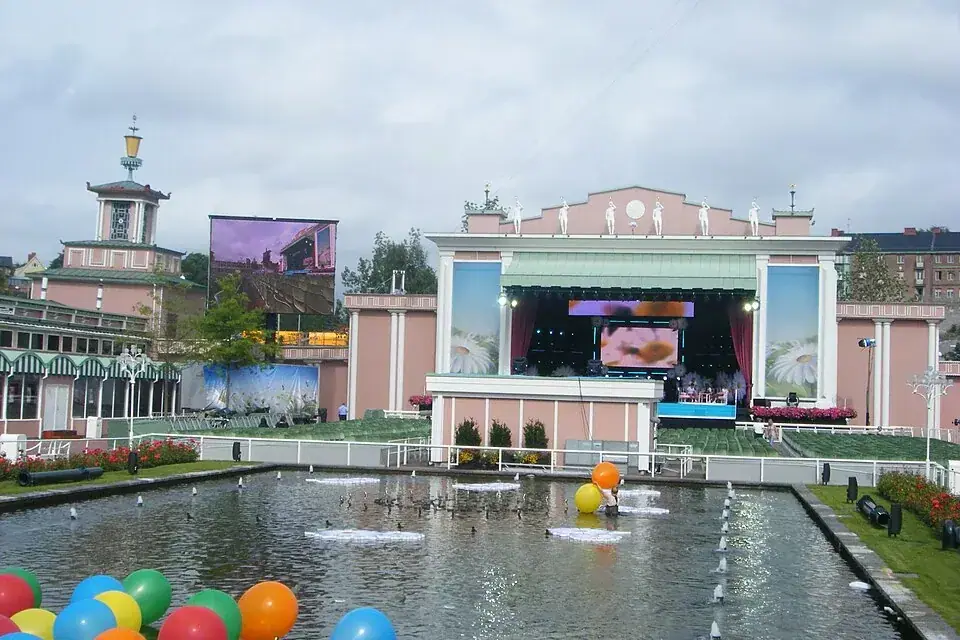
AleWi · CC0 1.0 · full attribution on the image credits page.
Visitor tips
- 1
Weather-ready clothing and footwear suited to the surface are sensible, and marked paths should be followed.
- 2
major rides and family attractions is a useful first reference point for understanding the site.
About West Sweden
Gothenburg and the Bohuslän coast combine major museums and family attractions with granite islands, fishing settlements, fortresses, Bronze Age rock art and marine nature.
Open the Sweden guide