 Colin · CC BY-SA 4.0
 Why visit
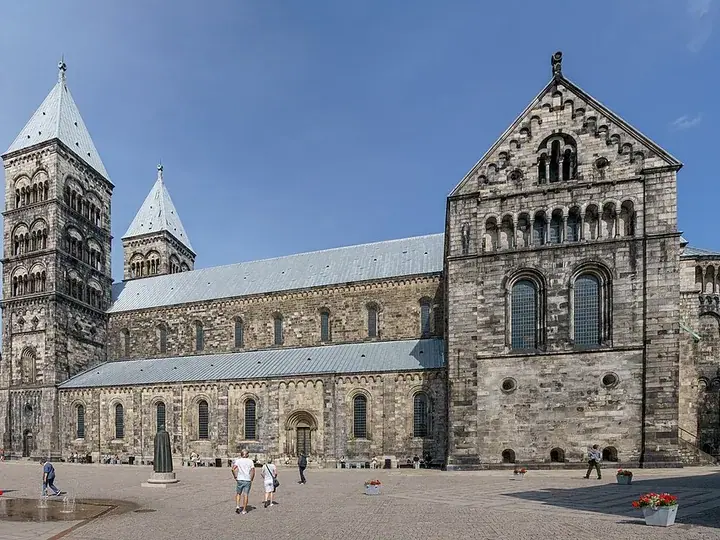
Lund Cathedral is worth time for the depth of medieval architecture concentrated in the crypt and nave, together with the cathedral’s importance when Lund was a leading church centre of Scandinavia. Key elements include the Romanesque crypt, medieval stone sculpture and columns, and the astronomical clock and cathedral nave. Together these features place the destination within the wider story of Skåne. Attention to layout, materials, landscape and surviving details helps explain how the place has developed, functioned or been understood over time. It has enough substance for a focused visit and also connects naturally with a broader regional itinerary.
What you will see
- the Romanesque crypt.
- medieval stone sculpture and columns.
- the astronomical clock and cathedral nave.
History
Lund Cathedral was consecrated in 1145 and became a major ecclesiastical centre in medieval Scandinavia. Romanesque stonework, later restoration and continuing worship preserve a long architectural record.
Photographs
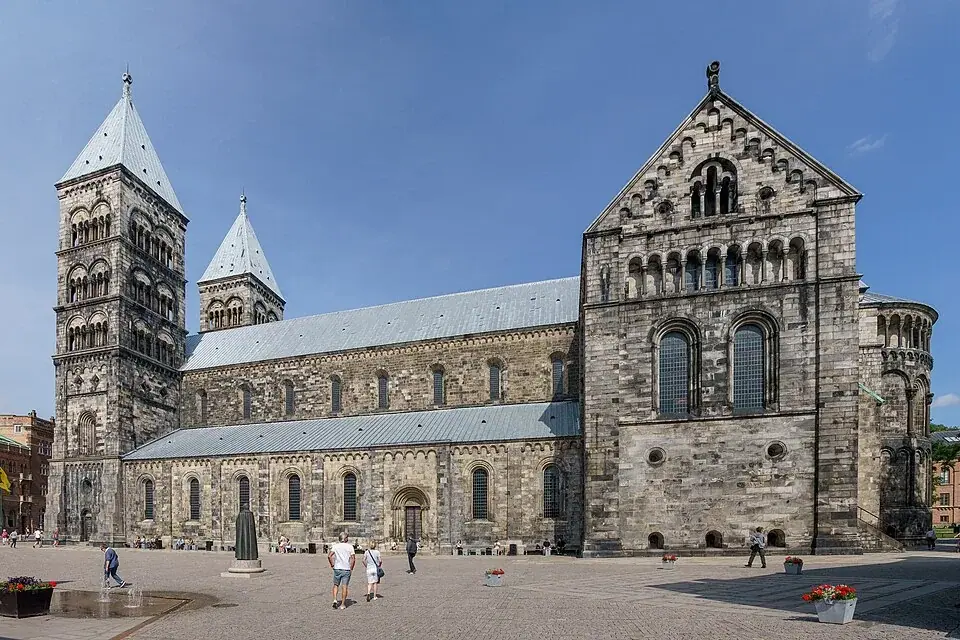
Colin · CC BY-SA 4.0 · full attribution on the image credits page.
Visitor tips
- 1
Time should be allowed for the principal interiors and interpretation rather than only the entrance area.
- 2
the Romanesque crypt is a useful first reference point for understanding the site.
About Skåne
Sweden’s southernmost region offers medieval Lund and Ystad, Malmö’s fortress heritage, designed gardens and a varied coast of cliffs, beaches and wooded national park landscapes.
Open the Sweden guide