 Catasa · CC BY-SA 4.0
 Why visit
Gotska Sandön National Park is worth time for a remote island landscape where long beaches, dunes and forest can be experienced with little urban interruption, making the journey itself part of understanding Sweden’s Baltic national-park system. Key elements include broad sandy beaches and dune systems, pine forest and isolated island paths, and historic lighthouse and maritime traces. Together these features place the destination within the wider story of Gotland. Attention to layout, materials, landscape and surviving details helps explain how the place has developed, functioned or been understood over time. It has enough substance for a focused visit and also connects naturally with a broader regional itinerary.
What you will see
- broad sandy beaches and dune systems.
- pine forest and isolated island paths.
- historic lighthouse and maritime traces.
History
Gotska Sandön became one of Sweden’s earliest national parks in 1909 and protection was later expanded. The remote Baltic island is dominated by sand, pine forest, dunes and long undeveloped shores.
Photographs
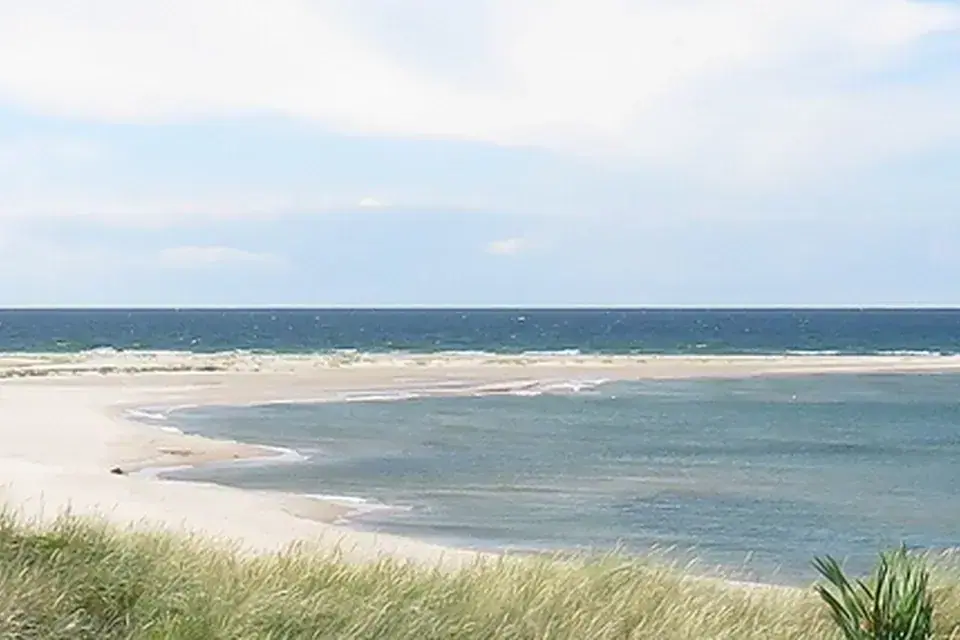
Catasa · CC BY-SA 4.0 · full attribution on the image credits page.
Visitor tips
- 1
Weather-ready clothing and footwear suited to the surface are sensible, and marked paths should be followed.
- 2
broad sandy beaches and dune systems is a useful first reference point for understanding the site.
About Gotland
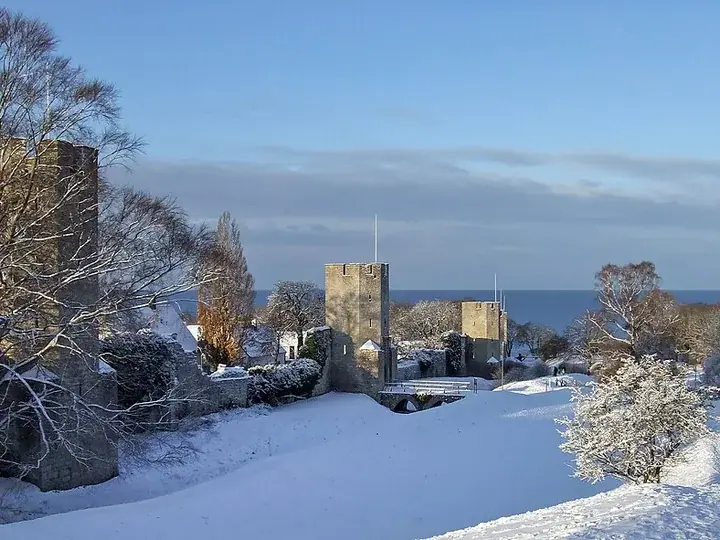
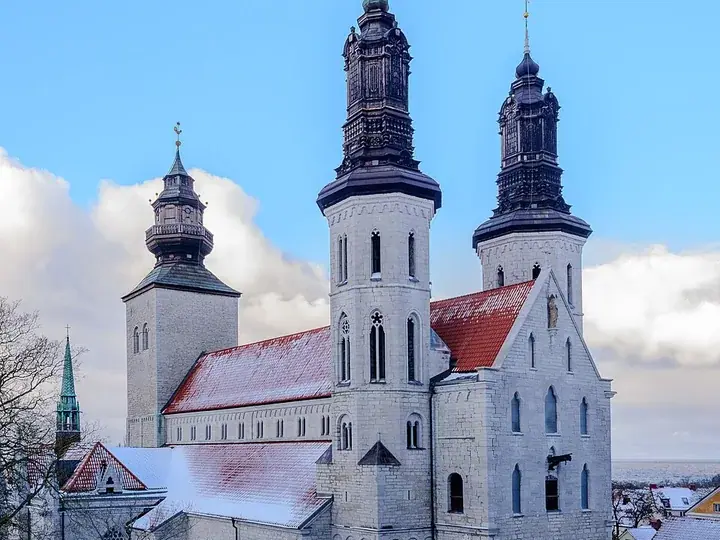
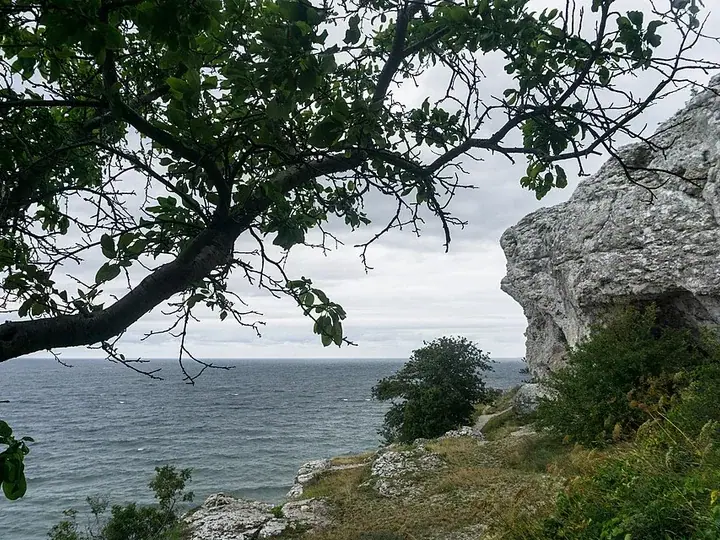
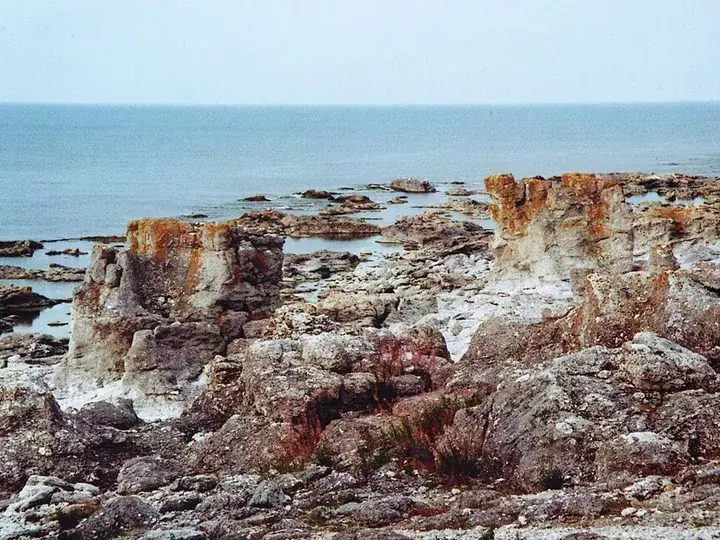
Gotland’s limestone landscape, Hanseatic-era Visby, sea stacks, caves and offshore nature give the Baltic island a distinctive cultural and geological character.
Open the Sweden guide