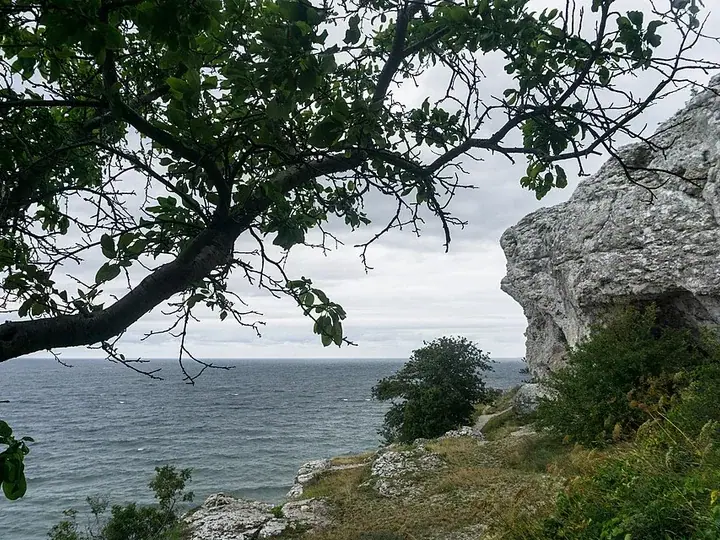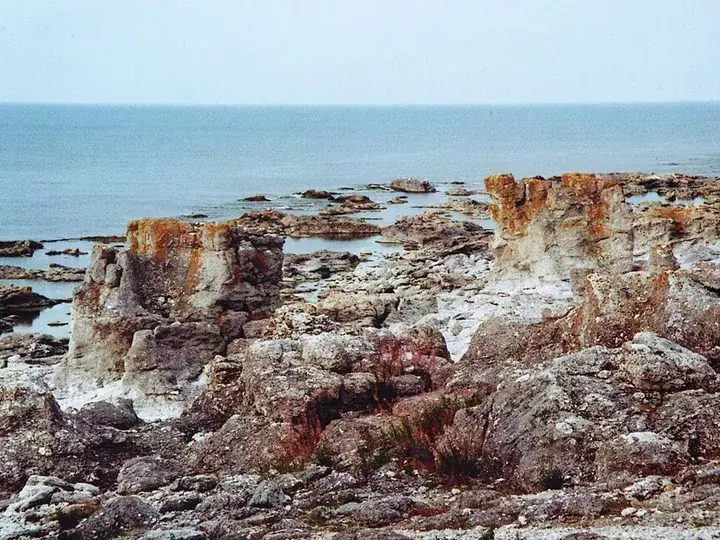
Lummelunda · Sweden

Lummelunda Cave

Known locally as Lummelundagrottan

Lummelunda Cave is a significant destination in Gotland, centred on an accessible introduction to the karst processes beneath Gotland, contrasting strongly with the island’s visible cliffs and sea stacks while showing how water continues to shape the limestone underground. It rewards a visit for its specific cultural, historical or landscape context rather than spectacle alone.

Lummelunda Cave Karl Brodowsky · CC BY-SA 3.0
Typical visit
1 hour 30 minutes
Setting
Indoor
Region
Gotland
Last checked
11 Aug 2026

Why visit

Lummelunda Cave is worth time for an accessible introduction to the karst processes beneath Gotland, contrasting strongly with the island’s visible cliffs and sea stacks while showing how water continues to shape the limestone underground. Key elements include limestone passages and chambers, stalactite and flowstone formations, and interpretation of groundwater and cave development. Together these features place the destination within the wider story of Gotland. Attention to layout, materials, landscape and surviving details helps explain how the place has developed, functioned or been understood over time. It has enough substance for a focused visit and also connects naturally with a broader regional itinerary.

What you will see

  • limestone passages and chambers.
  • stalactite and flowstone formations.
  • interpretation of groundwater and cave development.

History

The Lummelunda cave system formed as water dissolved Gotland’s limestone. Modern exploration expanded considerably during the twentieth century, and a managed section now introduces visitors to the underground geology.

Photographs
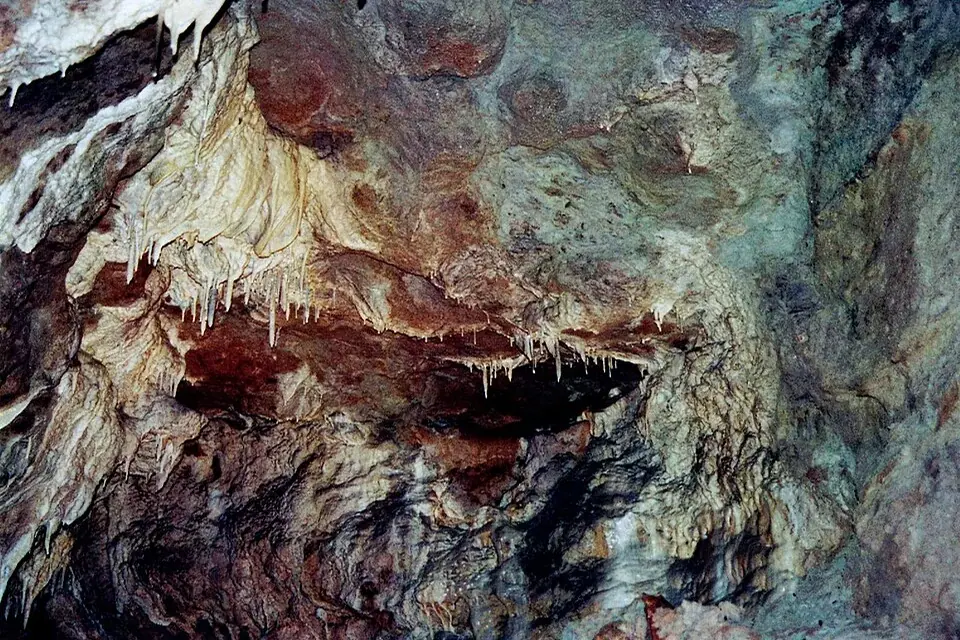
Karl Brodowsky · CC BY-SA 3.0 · full attribution on the image credits page.

Visitor tips

  1. 1

    Time should be allowed for the principal interiors and interpretation rather than only the entrance area.

  2. 2

    limestone passages and chambers is a useful first reference point for understanding the site.

About Gotland

Gotland’s limestone landscape, Hanseatic-era Visby, sea stacks, caves and offshore nature give the Baltic island a distinctive cultural and geological character.

Open the Sweden guide
Combine it with

More to see around Lummelunda

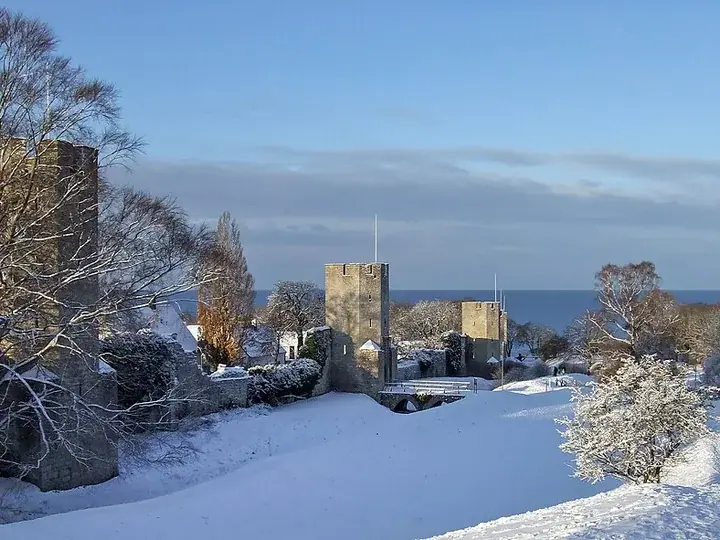
Visby City Wall Visby · Sweden Visby City Wall is a significant destination in Gotland, centred on the exceptional survival of a medieval urban fortification around a living town, allowing the relationship between trade wealth, defence and Visby’s… Visby Cathedral Visby · Sweden Visby Cathedral is a significant destination in Gotland, centred on a functioning medieval church that provides an important contrast with Visby’s many ruined churches, preserving continuous religious use within the… Gotland Museum Visby · Sweden Gotland Museum is a significant destination in Gotland, centred on a broad introduction to Gotland’s long history, especially the island’s distinctive picture stones, Viking-age exchange networks and medieval urban… Högklint Visby · Sweden Högklint is a significant destination in Gotland, centred on a direct view of Gotland’s limestone geology and exposed Baltic coastline from a high headland, with enough path network to make the landscape more than a… Langhammars Sea Stacks Fårö · Sweden Langhammars Sea Stacks is a significant destination in Gotland, centred on a useful place to examine Gotland’s rauk landscape at close range, with multiple eroded forms set in an open shoreline where geology and marine… Gotska Sandön National Park Gotska Sandön · Sweden Gotska Sandön National Park is a significant destination in Gotland, centred on a remote island landscape where long beaches, dunes and forest can be experienced with little urban interruption, making the journey itself…