 W.carter (Ann-Sophie Qvarnström) · CC BY-SA 4.0
 Why visit
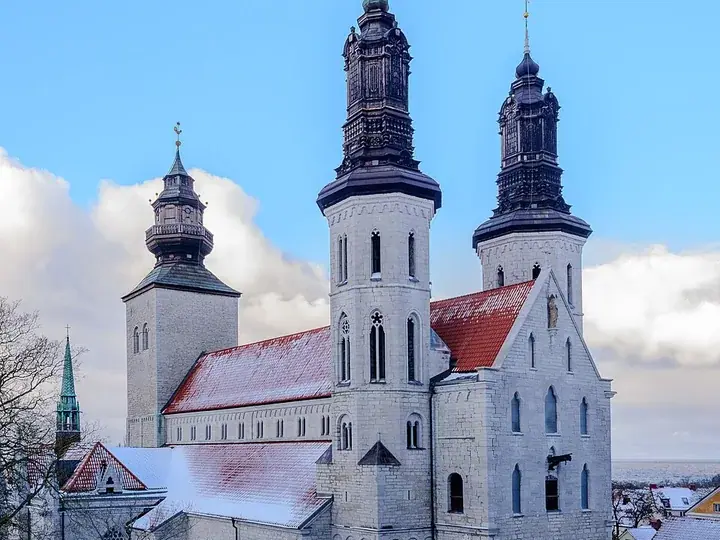
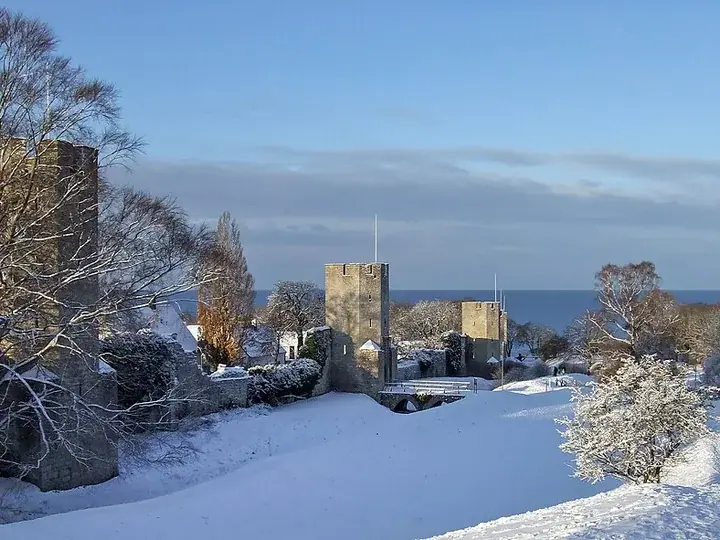
Visby City Wall is worth time for the exceptional survival of a medieval urban fortification around a living town, allowing the relationship between trade wealth, defence and Visby’s street plan to be understood on foot. Key elements include surviving medieval towers and gates, long stretches of curtain wall, and views between the wall, ruins and Baltic townscape. Together these features place the destination within the wider story of Gotland. Attention to layout, materials, landscape and surviving details helps explain how the place has developed, functioned or been understood over time. It has enough substance for a focused visit and also connects naturally with a broader regional itinerary.
What you will see
- surviving medieval towers and gates.
- long stretches of curtain wall.
- views between the wall, ruins and Baltic townscape.
History
Visby’s stone defensive wall was built mainly during the thirteenth century as the prosperous Hanseatic town expanded. Towers, gates and long curtain-wall sections still define much of the historic centre.
Photographs
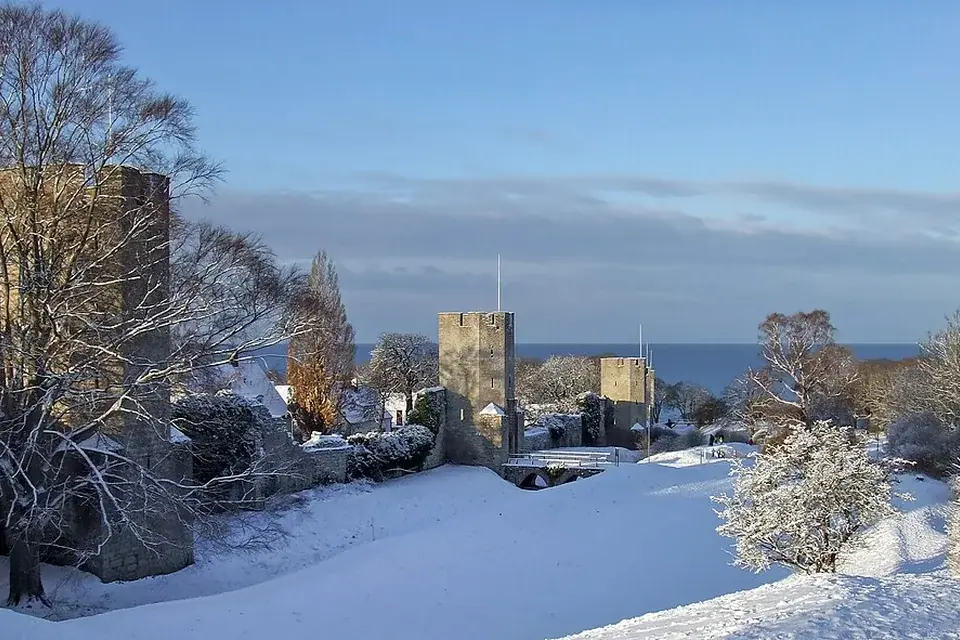
W.carter (Ann-Sophie Qvarnström) · CC BY-SA 4.0 · full attribution on the image credits page.
Visitor tips
- 1
Weather-ready clothing and footwear suited to the surface are sensible, and marked paths should be followed.
- 2
surviving medieval towers and gates is a useful first reference point for understanding the site.
About Gotland
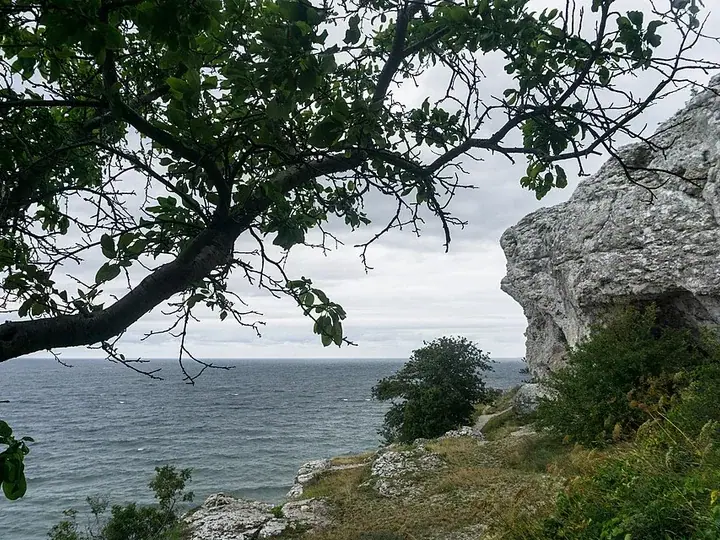
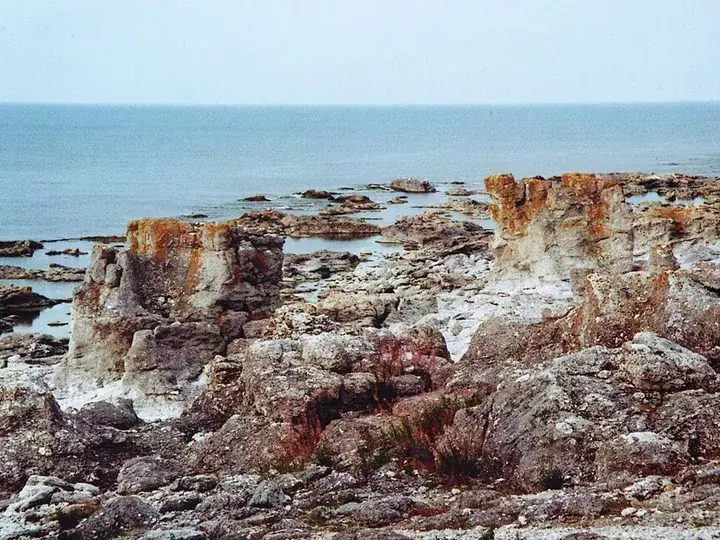
Gotland’s limestone landscape, Hanseatic-era Visby, sea stacks, caves and offshore nature give the Baltic island a distinctive cultural and geological character.
Open the Sweden guide