 Derbrauni · CC BY 4.0
 Why visit
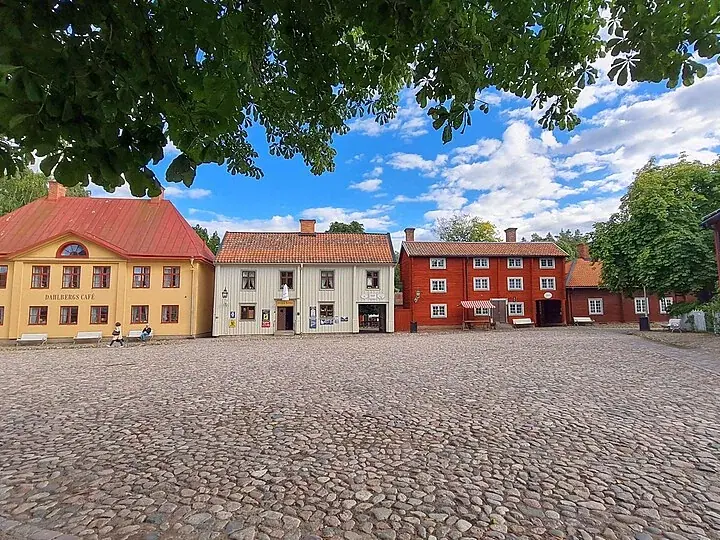
Gamla Linköping Open-Air Museum is worth time for a coherent historic streetscape assembled from buildings that would otherwise have been lost, allowing architectural details, shopfronts and domestic spaces to be understood at neighbourhood scale. Key elements include historic wooden streets and houses, workshops, shops and period interiors, and the contrast between preserved townscape and modern Linköping. Together these features place the destination within the wider story of Södermanland and Östergötland. Attention to layout, materials, landscape and surviving details helps explain how the place has developed, functioned or been understood over time. It has enough substance for a focused visit and also connects naturally with a broader regional itinerary.
What you will see
- historic wooden streets and houses.
- workshops, shops and period interiors.
- the contrast between preserved townscape and modern Linköping.
History
Gamla Linköping was created during twentieth-century urban redevelopment by moving and preserving historic buildings from the city centre. The open-air district now interprets domestic, commercial and craft life.
Photographs
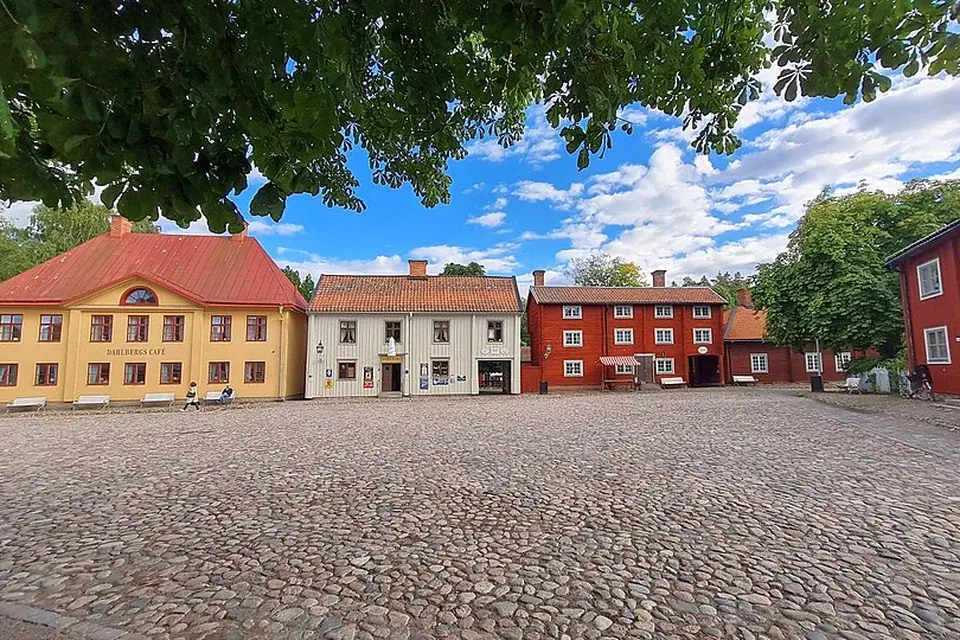
Derbrauni · CC BY 4.0 · full attribution on the image credits page.
Visitor tips
- 1
Weather-ready clothing and footwear suited to the surface are sensible, and marked paths should be followed.
- 2
historic wooden streets and houses is a useful first reference point for understanding the site.
About Södermanland and Östergötland
South of Stockholm, small Baltic towns, Vasa-era castles, medieval church centres and the Göta Canal provide a varied transition towards central southern Sweden.
Open the Sweden guide