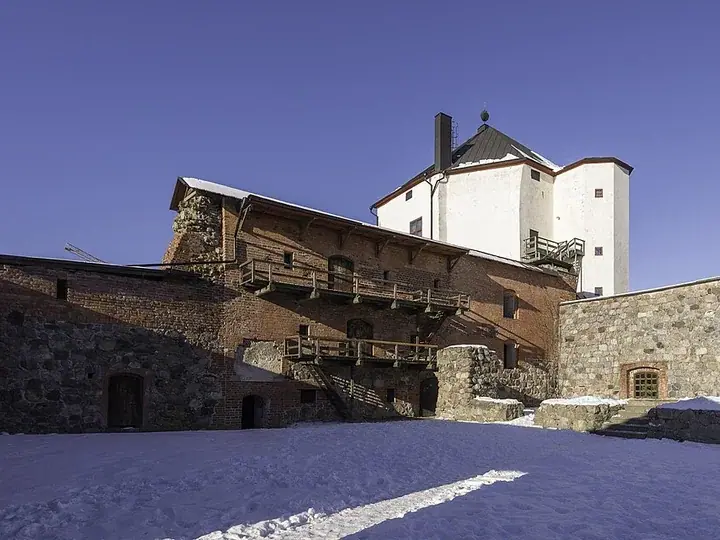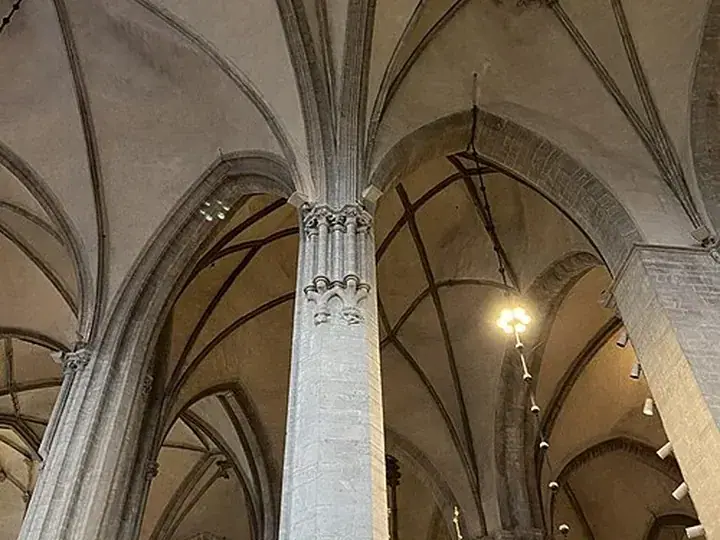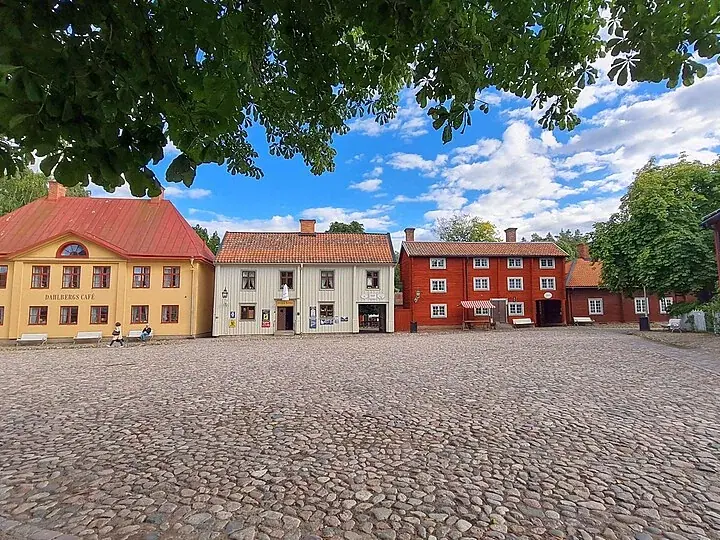
 RuprechtN · CC BY-SA 4.0
 Why visit
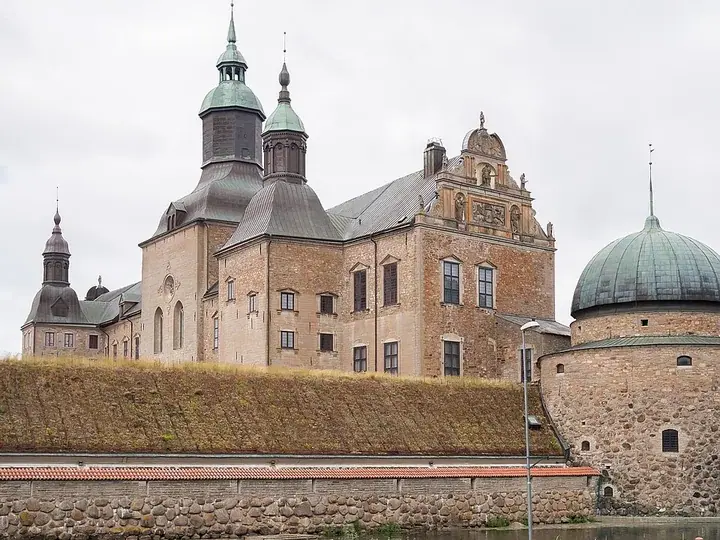
Vadstena Castle is worth time for the unusually clear transition from sixteenth-century fortress to royal residence, visible in both the defensive plan and the later ceremonial architecture beside Lake Vättern. Key elements include the broad moat and defensive earthworks, Renaissance façades and state rooms, and views across Lake Vättern. Together these features place the destination within the wider story of Södermanland and Östergötland. Attention to layout, materials, landscape and surviving details helps explain how the place has developed, functioned or been understood over time. It has enough substance for a focused visit and also connects naturally with a broader regional itinerary.
What you will see
- the broad moat and defensive earthworks.
- Renaissance façades and state rooms.
- views across Lake Vättern.
History
Gustav Vasa began Vadstena Castle in 1545 as a defensive stronghold. It later developed into a Renaissance royal residence, retaining its moat, corner towers and formal waterfront presence.
Photographs
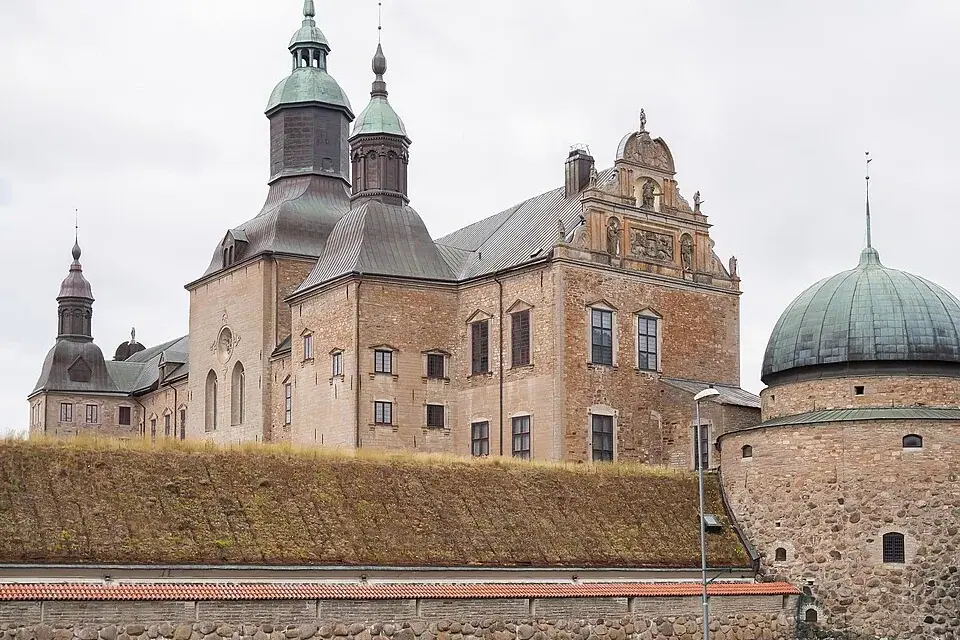
RuprechtN · CC BY-SA 4.0 · full attribution on the image credits page.
Visitor tips
- 1
Time should be allowed for the principal interiors and interpretation rather than only the entrance area.
- 2
the broad moat and defensive earthworks is a useful first reference point for understanding the site.
About Södermanland and Östergötland
South of Stockholm, small Baltic towns, Vasa-era castles, medieval church centres and the Göta Canal provide a varied transition towards central southern Sweden.
Open the Sweden guide