 Beradrian · CC BY-SA 3.0
 Why visit
Scărișoara Cave gives a focused view of Romania’s varied cultural and natural landscape. The site is distinctive because its surviving fabric and setting can be read directly rather than only through museum interpretation. A visit works well as part of a regional itinerary around Gârda de Sus, while still rewarding enough time to examine the main structures, landscape features and historical context at an unhurried pace.
What you will see
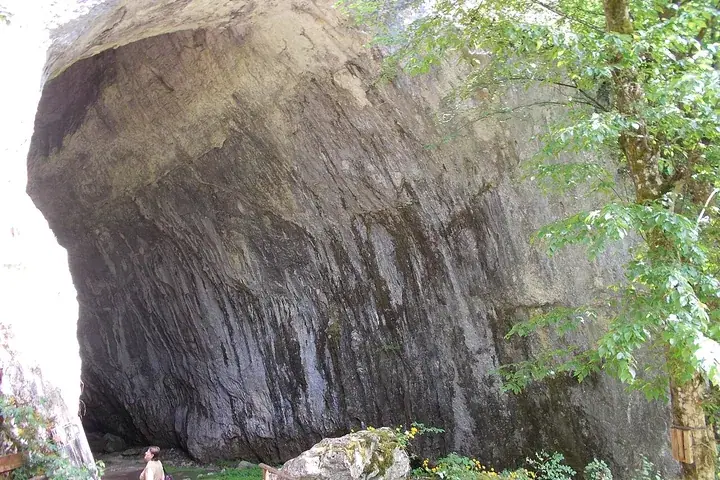
- The principal cave features of Scărișoara Cave.
- The relationship between the site and its surrounding town or landscape.
- Details that reveal the place’s historical or geological development.
History
Scărișoara contains one of Romania’s best-known subterranean ice bodies, preserved within a large karst cave in the Apuseni Mountains.
Visitor tips
- 1
Confirm the final public entrance, parking point, trailhead or ticket office before departure.
- 2
Allow extra time for historic-centre traffic, mountain roads, steep paths or queues where relevant.
- 3
Respect active places of worship, protected landscapes, private property and any photography restrictions.
About Crișana and the Apuseni Mountains
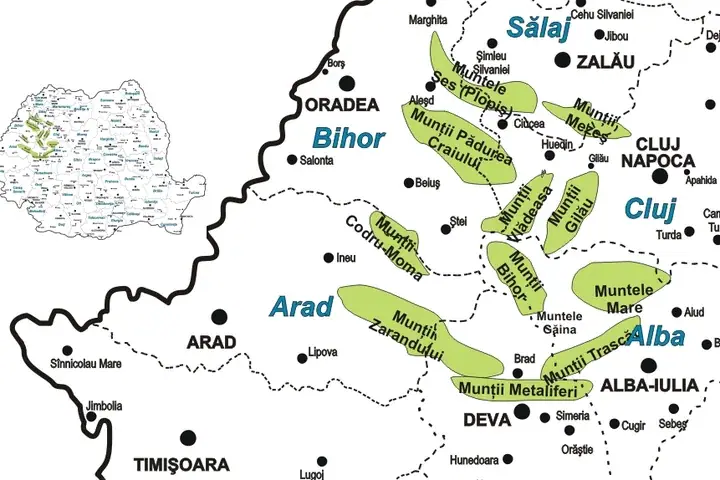
Oradea’s Secession architecture sits beside a karst mountain region of caves, gorges, mining heritage and traditional villages extending across western Transylvania.
Open the Romania guide