 Zserghei · Public Domain (PD-user)
 Why visit
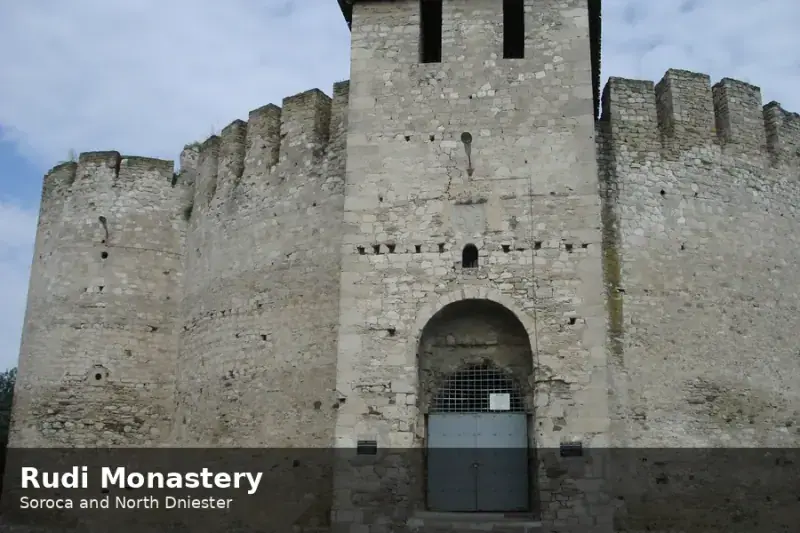
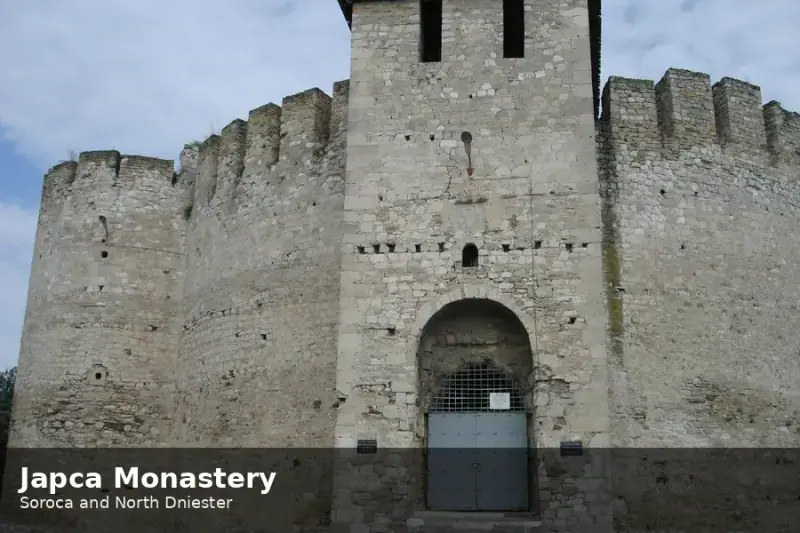
Soroca Fortress is worth including in a Moldova itinerary for its direct connection with defensive architecture and the strategic river geography that shaped frontier control. A visit can be organised around defensive walls and towers, river or frontier setting, military and political history. Together these elements make the stop useful for understanding the wider Soroca area rather than treating it only as a photograph or waypoint. The setting also shows how rivers, forests, faith, trade, geology, agriculture or civic institutions have shaped different parts of Moldova. A measured visit leaves enough time to examine the principal features and relate them to nearby places in the same region.
What you will see
- defensive walls and towers.
- river or frontier setting.
- military and political history.
History
The compact stone fortress on the Dniester developed as part of Moldavia’s defensive system and remains one of the country’s clearest surviving examples of a river frontier stronghold.
Visitor tips
- 1
Confirm the current public entrance or trailhead before departure.
- 2
Allow extra time for rural roads, parking, steep approaches, security or guided-entry arrangements where relevant.
- 3
Respect worship, conservation, wetland, cave and photography rules displayed on site.
About Soroca and North Dniester
Northern Dniester country centres on Soroca’s fortress and river terraces, with monasteries, museum collections and a surviving point of the Struve Geodetic Arc.
Open the Moldova guide