 Kritzolina · CC BY-SA 4.0
 Why visit
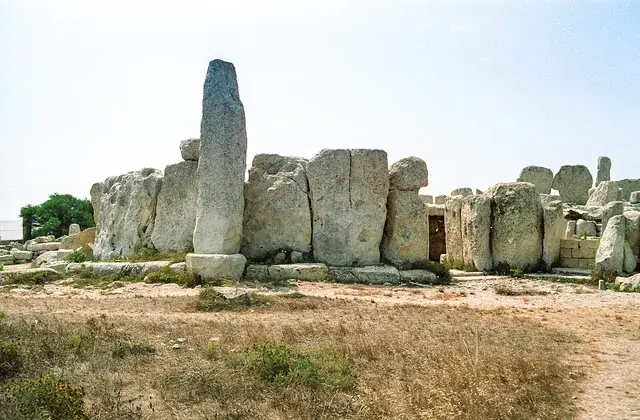
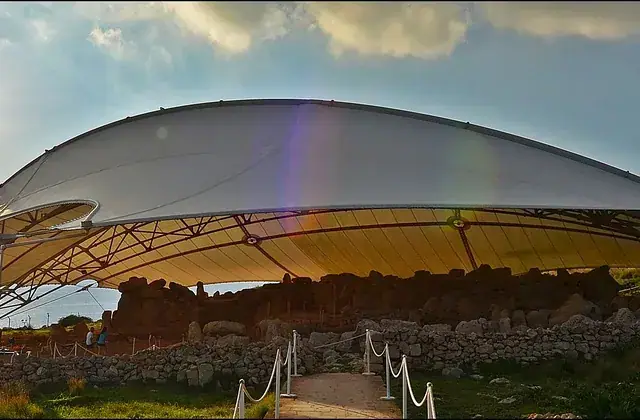
Ħal Tarxien Prehistoric Complex provides a focused way to understand the architectural complexity and carved decoration of Malta’s Temple Period. Closely grouped megalithic structures allow comparison of curved temple plans, monumental stone blocks and carved motifs at one site, making changes in prehistoric construction easier to read. Its value lies in the combination of surviving fabric, setting and interpretation, which places the site within the wider history of Malta and the central Mediterranean. Allowing time to examine the details rather than treating it as a brief photo stop gives context that is difficult to gain from the exterior or landscape alone.
What you will see
- interlocking temple plans.
- spiral and animal reliefs.
- large megalithic blocks and altars.
History
The Tarxien temples were built in phases during the fourth and third millennia BCE. They were discovered in 1913 and excavated soon afterwards, producing important carved stones and evidence for ritual activity during Malta’s Temple Period.
Visitor tips
- 1
Pairing Ħal Tarxien Prehistoric Complex with nearby places in the same region can reduce backtracking, but current access and transport arrangements should be checked on the day.
About Southern Prehistory
The south contains Malta’s densest group of prehistoric monuments, including underground burial architecture, megalithic temples and cave archaeology.
Open the Malta guide