 Michasultana · CC BY-SA 4.0
 Why visit
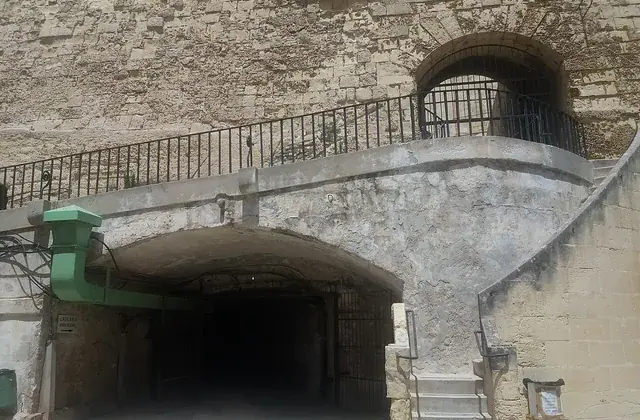
Lascaris War Rooms provides a focused way to understand the command infrastructure used beneath Valletta during the Second World War. Map rooms, communications spaces and underground passages make the operational side of wartime Malta tangible, complementing the weapons and fortifications seen at the island’s surface sites. Its value lies in the combination of surviving fabric, setting and interpretation, which places the site within the wider history of Malta and the central Mediterranean. Allowing time to examine the details rather than treating it as a brief photo stop gives context that is difficult to gain from the exterior or landscape alone.
What you will see
- subterranean operations rooms.
- map tables and communications areas.
- wartime command tunnels.
History
The underground complex was developed during the Second World War beneath Valletta’s fortifications. It served as a military headquarters and operations centre for the defence of Malta and for later Allied planning in the Mediterranean.
Visitor tips
- 1
Pairing Lascaris War Rooms with nearby places in the same region can reduce backtracking, but current access and transport arrangements should be checked on the day.
About Valletta
The fortified capital concentrates sixteenth-century planning, major churches, state rooms, museums and wartime sites within a compact peninsula.
Open the Malta guide