 Zinneke · CC BY-SA 3.0
 Why visit
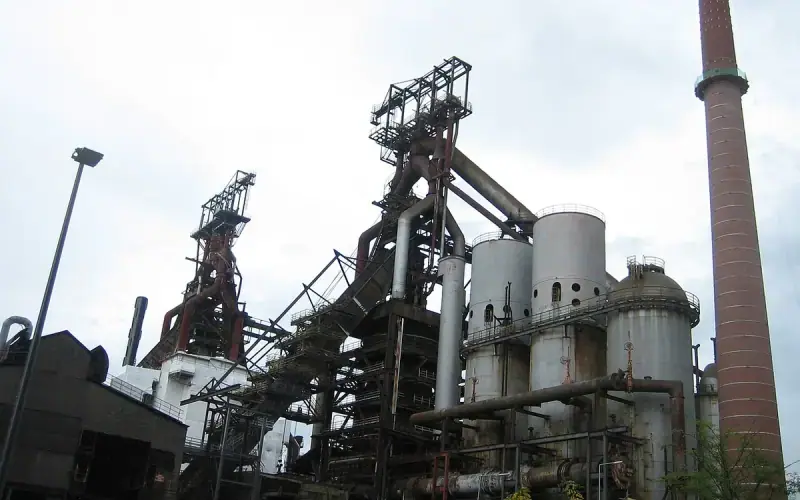
Belval makes Luxembourg’s industrial transition visible in a single urban landscape. Massive blast furnaces, pipework and associated steelworks structures remain beside new university, research and cultural buildings, so the site is not presented as an isolated ruin. Walking around the complex shows the physical scale of iron production and how former heavy-industry land has been reused. Where current access permits, elevated areas add a different perspective over the southern conurbation. The furnaces pair naturally with Rumelange and Fond-de-Gras for a fuller account of the Minett economy.
What you will see
- Preserved blast furnaces A and B.
- Industrial pipework and steel structures.
- Contrast with the redeveloped Belval district.
- Views across the former steelworks area.
History
Belval became a major iron and steel production site during Luxembourg’s industrial era. After traditional blast-furnace operations ended, key structures were preserved as industrial heritage while the surrounding brownfield area was redeveloped. Blast furnaces A and B became central landmarks within the new Belval district and its university and cultural institutions.
Visitor tips
- 1
Allow time for the surrounding streets, landscape or historic setting where these form part of the place context.
- 2
Check current official information before relying on a particular entrance, interior visit, tour, parking area, path or transport connection.
About Minett and the South
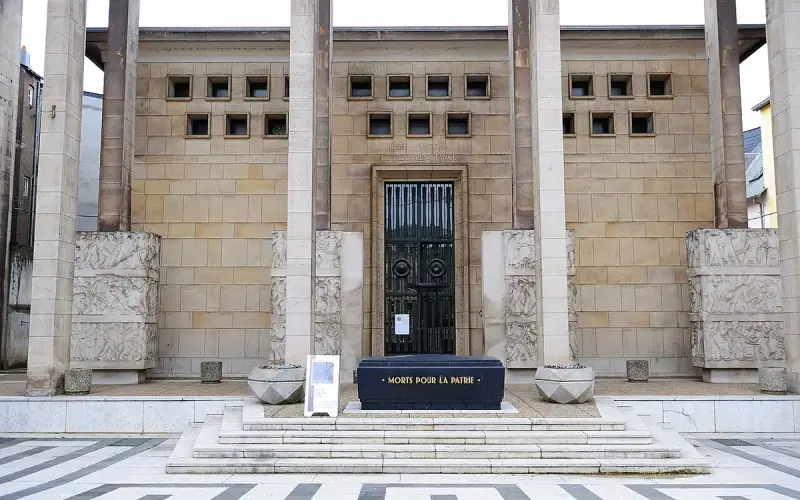
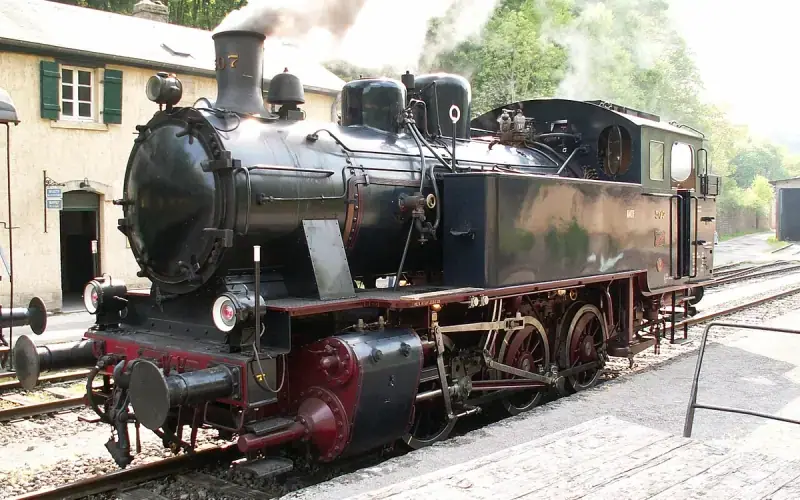
The former iron and steel district preserves mines, railways and blast furnaces alongside museums devoted to resistance, forced conscription and human rights.
Open the Luxembourg guide