 Schnékert · Public domain
 Why visit
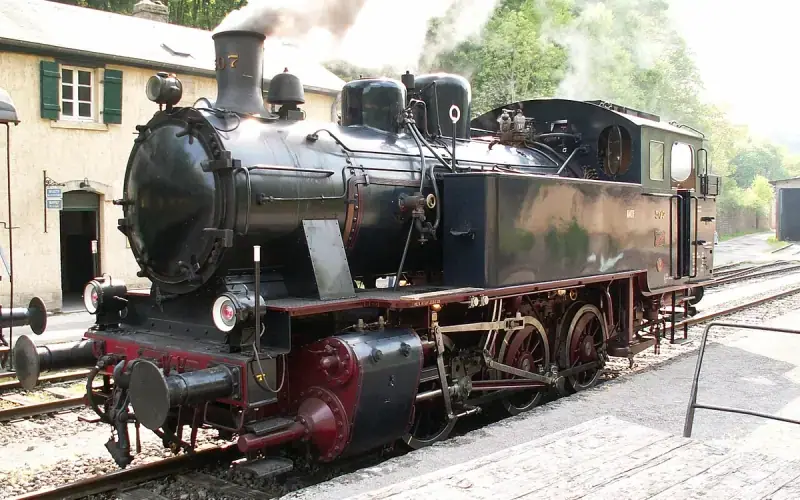
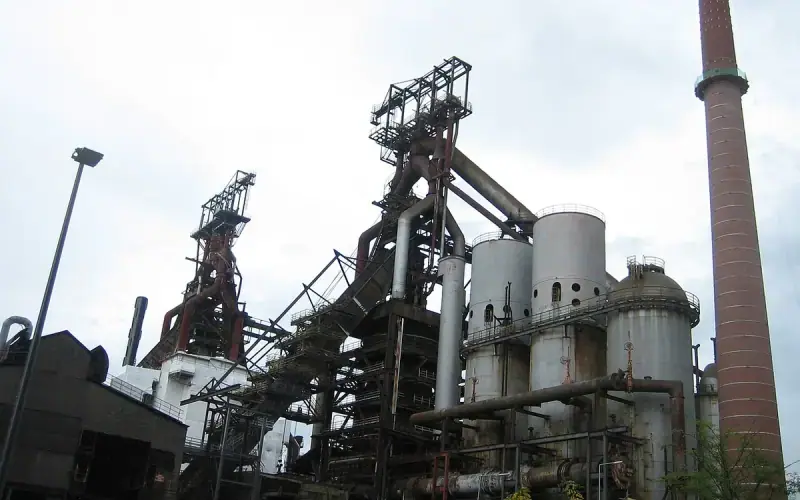
The Rumelange mining museum takes industrial history underground. Entering former workings makes the scale, darkness and physical conditions of iron-ore extraction much easier to grasp than machinery displayed above ground. Mining equipment, transport systems and interpreted galleries show how workers removed and moved ore that fed Luxembourg’s steel industry. The site is especially useful in combination with Belval and Fond-de-Gras: together they trace extraction, transport and smelting as connected stages rather than isolated attractions. Underground access conditions make checking current visitor arrangements particularly important.
What you will see
- Former underground mine galleries.
- Historic mining machinery.
- Ore transport equipment.
- Interpretation of miners’ working conditions.
History
Iron-ore mining transformed southern Luxembourg during the nineteenth and twentieth centuries. At Rumelange, former workings were adapted for museum use after active extraction declined, preserving galleries, machinery and mining techniques. The national mining museum was developed to document the industry and the lives of the people who worked underground in the Minett region.
Visitor tips
- 1
Allow time for the surrounding streets, landscape or historic setting where these form part of the place context.
- 2
Check current official information before relying on a particular entrance, interior visit, tour, parking area, path or transport connection.
About Minett and the South
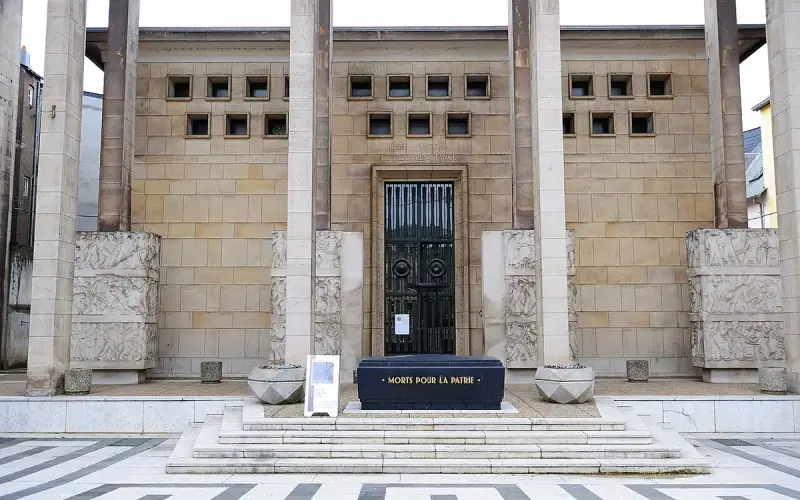
The former iron and steel district preserves mines, railways and blast furnaces alongside museums devoted to resistance, forced conscription and human rights.
Open the Luxembourg guide