 Noben k · CC BY-SA 3.0
 Why visit
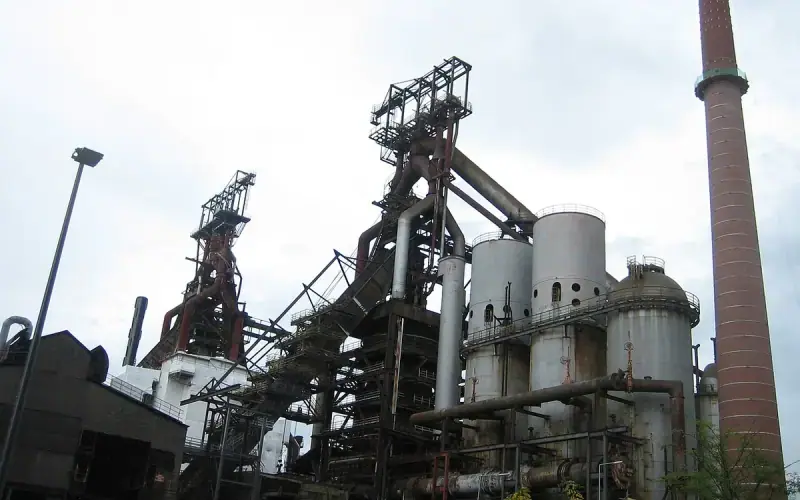
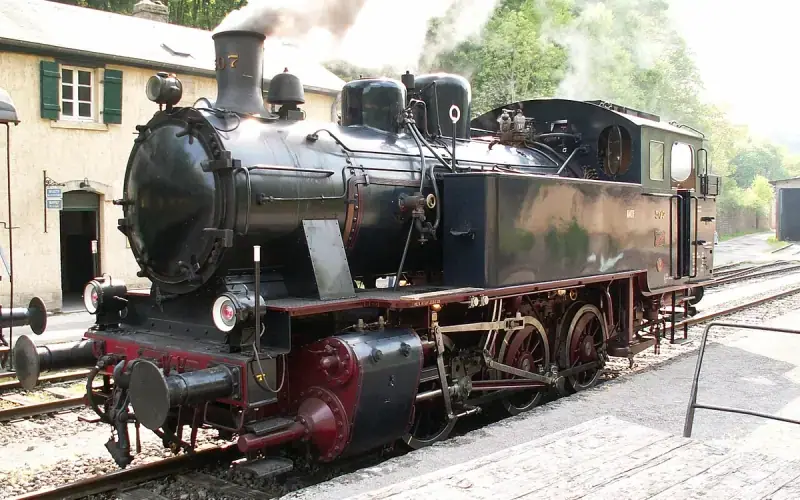
Fond-de-Gras is one of the strongest places to understand how iron ore, railways and heavy industry shaped southern Luxembourg. Historic rolling stock and former industrial buildings sit within the landscape where ore and workers once moved between mines and steelworks. Heritage train operations can add movement and sound to the site when running, while the wider park links industrial archaeology with woodland and former extraction areas. The experience complements the underground mine at Rumelange and the blast furnaces at Belval by showing the transport network that connected those parts of the industrial system.
What you will see
- Historic steam and rail equipment.
- Former mining and railway buildings.
- Industrial landscape of Fond-de-Gras.
- Connections between ore extraction and transport.
History
Fond-de-Gras developed as part of Luxembourg’s iron-ore and railway economy during the industrial expansion of the nineteenth and twentieth centuries. Mining activity and associated transport later declined, but tracks, buildings and equipment were preserved. The area became an industrial-heritage park incorporating historic railways and interpretation of the Minett mining landscape.
Visitor tips
- 1
Allow time for the surrounding streets, landscape or historic setting where these form part of the place context.
- 2
Check current official information before relying on a particular entrance, interior visit, tour, parking area, path or transport connection.
About Minett and the South
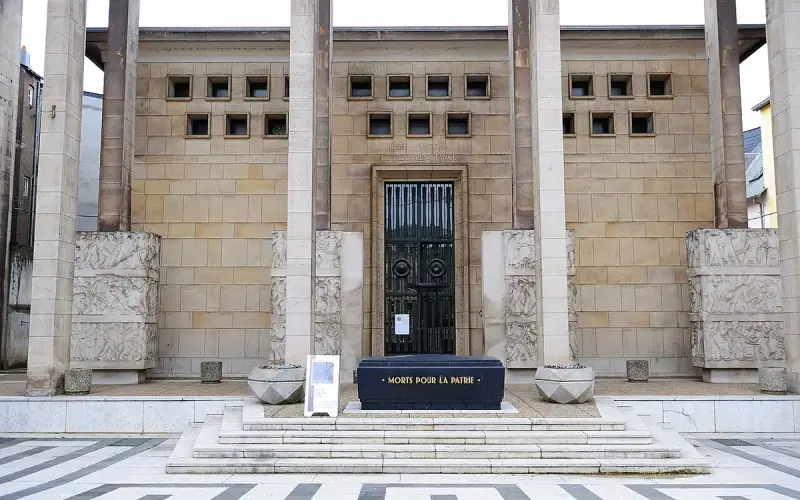
The former iron and steel district preserves mines, railways and blast furnaces alongside museums devoted to resistance, forced conscription and human rights.
Open the Luxembourg guide