 RG72 · CC BY-SA 4.0
 Why visit
The European Museum turns the name “Schengen” back into a real place with a specific political history. Exhibits explain how agreements signed beside the Moselle reshaped border controls among participating European states and why this small Luxembourg village became shorthand for a much larger idea. The riverfront location adds context, with Germany and France close by and international borders visible as an everyday landscape rather than an abstract map. The museum is therefore useful for travellers interested in modern European institutions as well as twentieth-century history.
What you will see
- Exhibits on the 1985 agreement and later convention.
- Moselle riverfront setting.
- European border and integration interpretation.
- Memorial elements associated with Schengen cooperation.
History
Representatives of five European states signed the Schengen Agreement on 14 June 1985 near the village, aboard the vessel Princess Marie-Astrid on the Moselle. A further convention followed in 1990. The agreements became foundations for the later Schengen Area, and the museum presents the political development and practical consequences of that process.
Visitor tips
- 1
Allow time for the surrounding streets, landscape or historic setting where these form part of the place context.
- 2
Check current official information before relying on a particular entrance, interior visit, tour, parking area, path or transport connection.
About Moselle
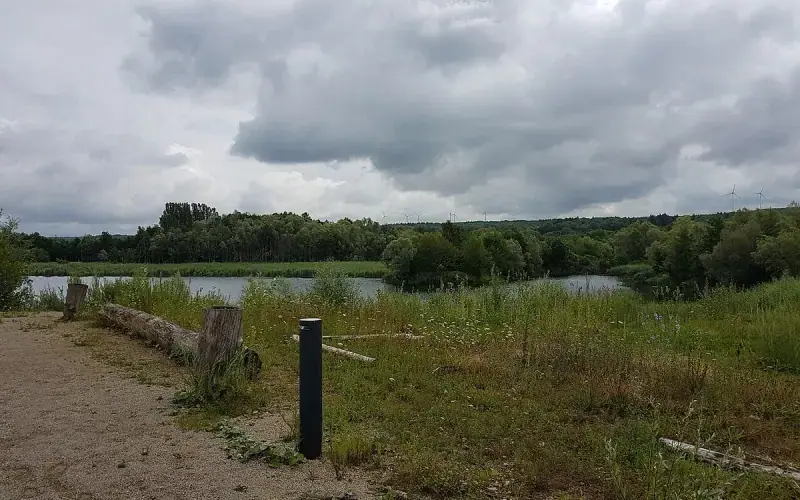
The Moselle border region centres on Schengen’s European history and the Haff Réimech wetlands around Remerschen, linking political history with protected landscapes.
Open the Luxembourg guide