 Paul Braun · CC0 1.0
 Why visit
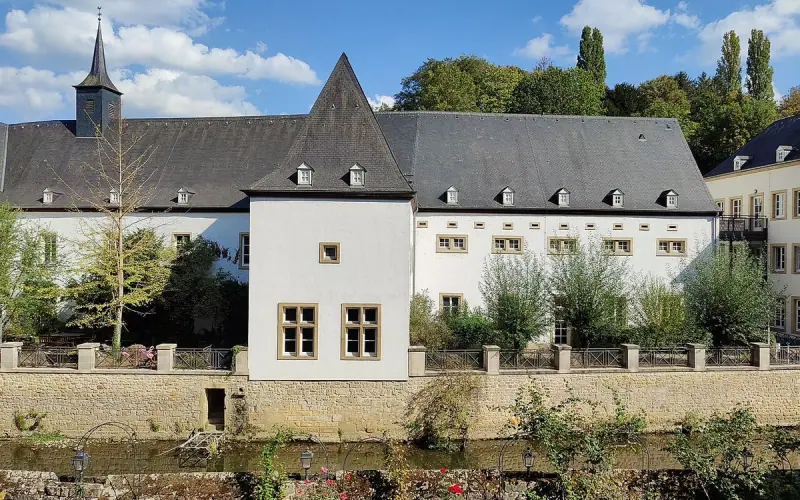
The natural-history museum adds an environmental dimension to a city otherwise dominated by fortress and political history. Displays on geology, habitats and species help explain the landscapes encountered later in the Ardennes, Müllerthal and Moselle wetlands, while broader natural-science material makes the museum suitable for mixed-interest groups. Its location in the Grund also means a visit can be combined with the Alzette riverside and Neimënster without returning to the upper city. The indoor setting provides a practical cultural stop when weather makes long outdoor visits less appealing.
What you will see
- Luxembourg biodiversity displays.
- Geology and landscape interpretation.
- Natural-science collections.
- Historic Grund setting.
History
Luxembourg’s natural-history collections have roots in nineteenth-century scientific activity and developed into a national museum devoted to zoology, botany, geology and related fields. The museum occupies buildings in the historic Grund district and has been modernised over time to combine collection displays with biodiversity and environmental interpretation.
Visitor tips
- 1
Allow time for the surrounding streets, landscape or historic setting where these form part of the place context.
- 2
Check current official information before relying on a particular entrance, interior visit, tour, parking area, path or transport connection.
About Luxembourg City
The capital brings together the old fortress, major national museums, civic architecture, the Alzette valleys and several of the country’s most important memorial sites.
Open the Luxembourg guide