 Topperis · CC BY-SA 4.0
 Why visit
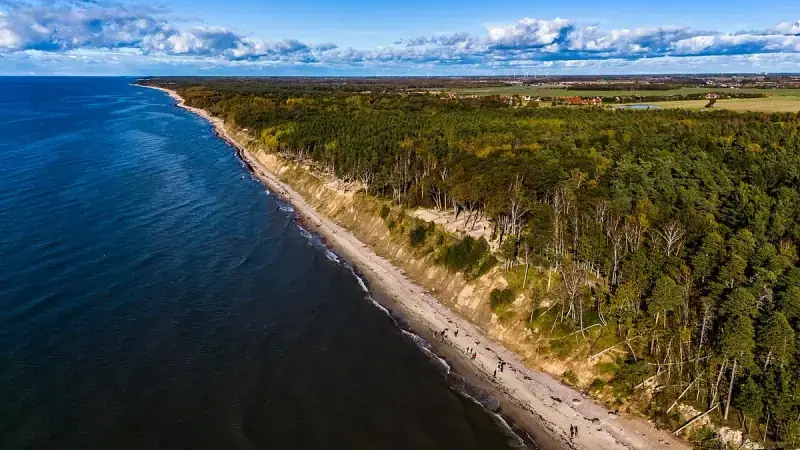
Dutchman’s Cap is worth time for its the uncommon elevated Baltic viewpoint and the visible meeting of glacial terrain, forest and active coastal erosion. The visit combines cliff-edge viewpoints, forest paths, beach access and exposed coastal geology, making the site useful for understanding the natural development of Lithuania’s mainland Baltic coast. It rewards a slower look at erosion features and the difference between the high bluff and low beach and fits naturally with Karklė and the Seaside Regional Park coast. The experience is particularly relevant to travellers interested in coastal geology, walking and landscape photography, while the setting gives the historical or natural story a clear physical context.
What you will see
- Cliff-top Baltic views.
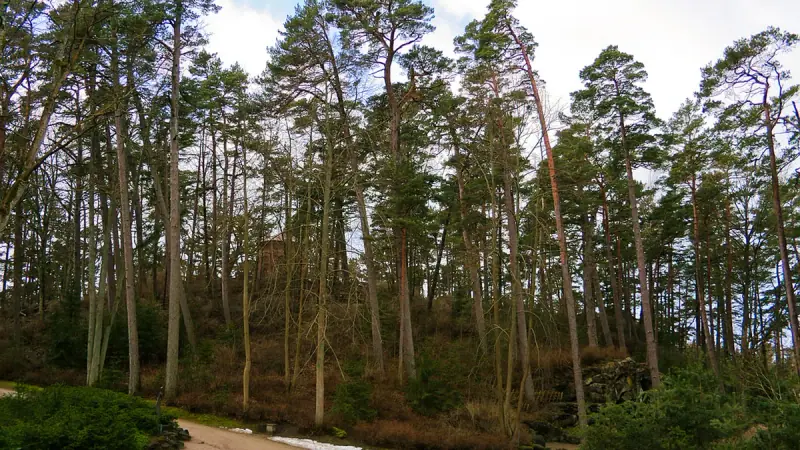
- Forested coastal trail.
- Eroding bluff and stony shore.
History
The bluff is a natural landform within the protected coastal landscape. Wind, waves and erosion continue to reshape the cliff, exposing glacial sediments and creating a coastline markedly different from the broad sandy beaches farther north and south.
Visitor tips
- 1
Cliff edges and beach descents can be unstable, especially after poor weather; marked paths and local safety notices should be followed.
- 2
Check the named official source shortly before travel for temporary closures, maintenance or local access changes.
About Palanga and the Seaside
Palanga’s park and amber collections sit beside the Baltic, while the northern coast includes protected cliffs and forested shoreline.
Open the Lithuania guide