 Wojsyl · CC BY-SA 3.0
 Why visit
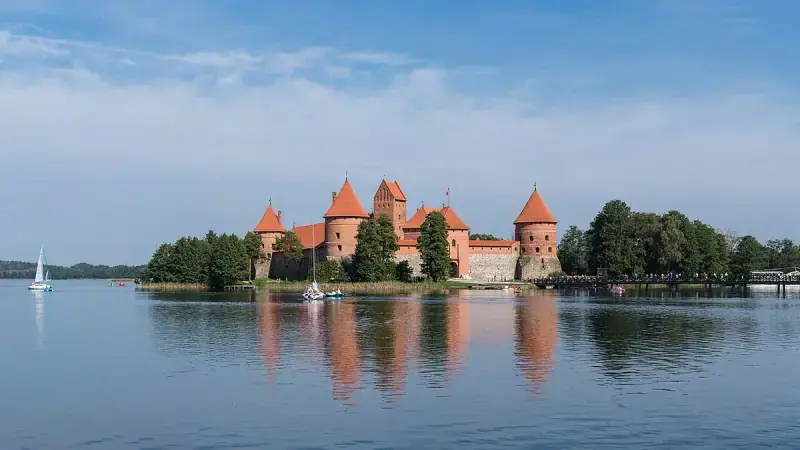
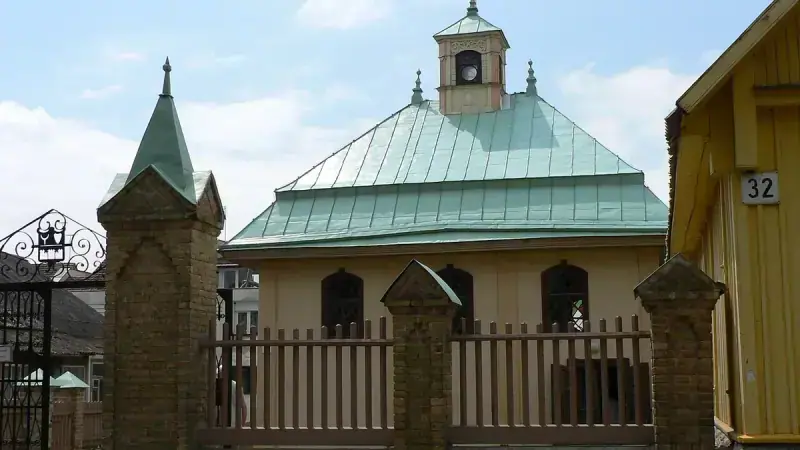
Trakai Kenesa is worth time for its its connection with a small community whose history in Lithuania reaches back to the medieval period. The visit combines wooden architecture, the prayer-house setting and the surrounding Karaim streetscape, making the site useful for understanding the multicultural history of Trakai and the long presence of the Karaim community. It rewards a slower look at the modest scale and continued religious function of the building and fits naturally with Karaimų Street and Trakai’s two castles. The experience is particularly relevant to travellers interested in minority history, religious heritage and vernacular architecture, while the setting gives the historical or natural story a clear physical context.
What you will see
- Wooden prayer-house exterior.
- Karaimų Street.
- Context of Trakai’s Karaim community.
History
The Karaim community has been associated with Trakai since the period of Grand Duke Vytautas. The present kenesa belongs to a continuing religious tradition and forms part of a wider streetscape of Karaim houses and community institutions.
Visitor tips
- 1
This is an active religious building rather than a conventional attraction; access should be checked and respectful.
- 2
Check the named official source shortly before travel for temporary closures, maintenance or local access changes.
About Trakai and Kernavė
Lake castles, Karaim heritage and the archaeological landscape of Kernavė make this region a compact introduction to Lithuania’s medieval state.
Open the Lithuania guide