 Brian Toward · CC0 1.0
 Why visit
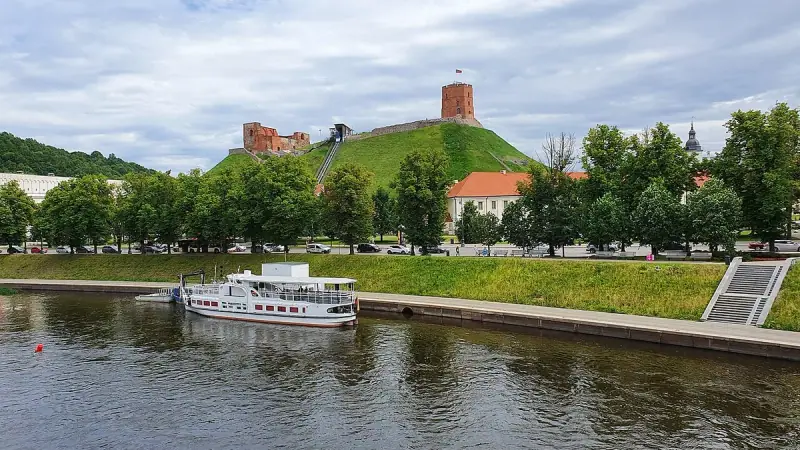
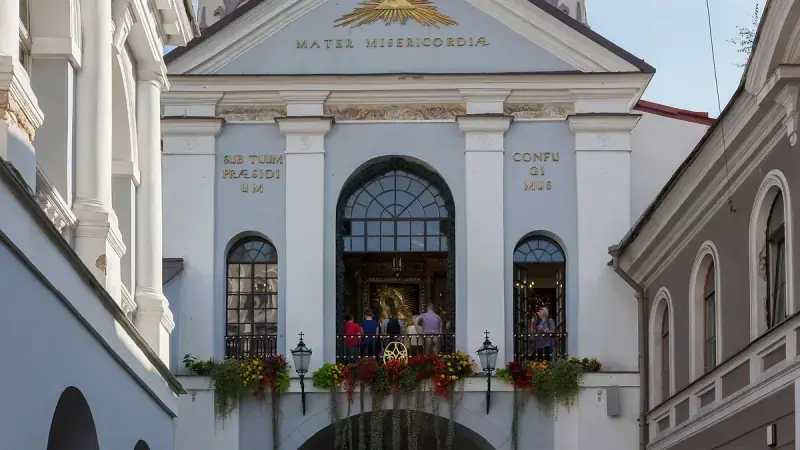
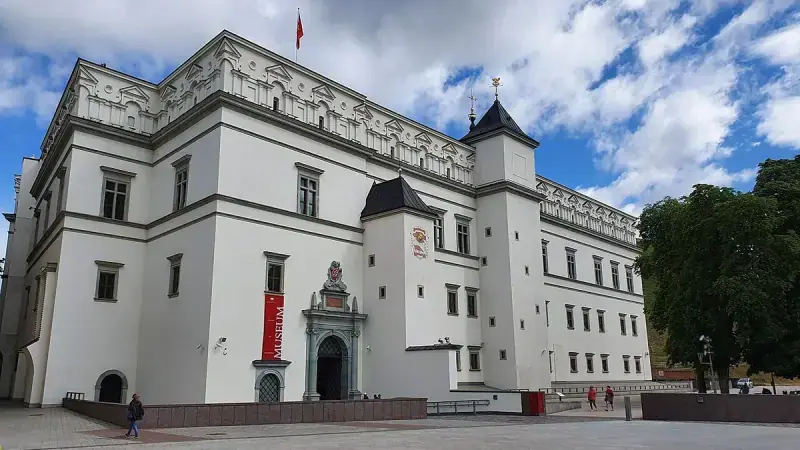
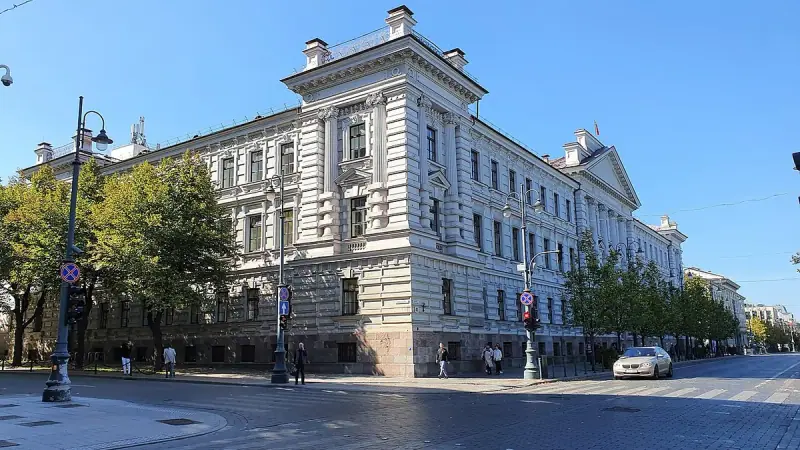
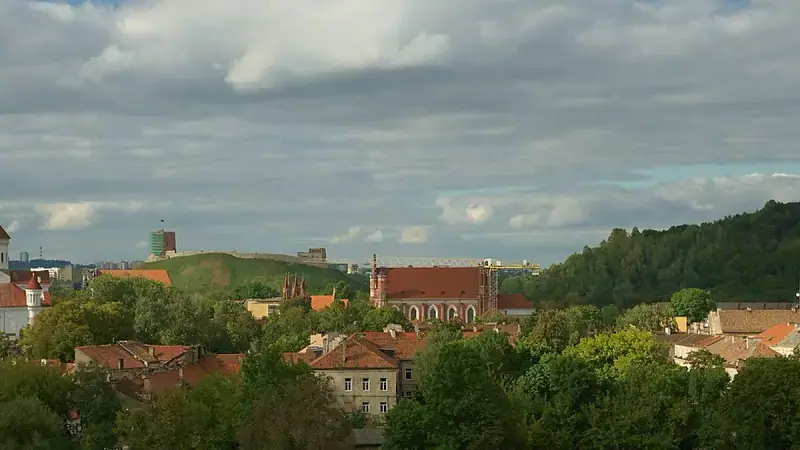
Vilnius Historic Centre is worth time for its layered urban fabric and religious, civic and residential architecture. The visit combines churches, courtyards, narrow streets and public squares, making the site useful for understanding the development of Lithuania’s capital across several centuries. It rewards a slower look at changes in street pattern, building scale and architectural style and fits naturally with Gediminas Castle Tower and the museums around Cathedral Square. The experience is particularly relevant to travellers interested in urban history, architecture and World Heritage landscapes, while the setting gives the historical or natural story a clear physical context.
What you will see
- Cathedral Square and surrounding streets.
- Gothic and Baroque church façades.
- Historic courtyards and university quarter.
History
Vilnius developed around a medieval castle complex and grew as a political and commercial centre of the Grand Duchy of Lithuania. Its historic centre was inscribed on the UNESCO World Heritage List in 1994 for the surviving urban fabric and architectural layers.
Visitor tips
- 1
Cobbled surfaces and changes in level are common; allowing time on foot gives the street pattern more meaning.
- 2
Check the named official source shortly before travel for temporary closures, maintenance or local access changes.
About Vilnius
Lithuania’s capital region combines the historic centre, major national museums and distinctive neighbourhoods around the Neris and Vilnia rivers.
Open the Lithuania guide