 Karel Frydrýšek · CC BY-SA 4.0
 Why visit
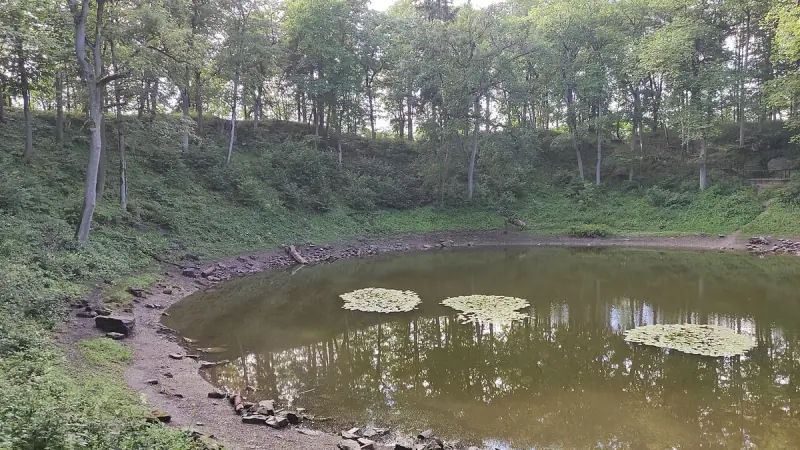
Kaali gives a rare opportunity to stand beside a clearly visible meteorite impact structure within an inhabited cultural landscape. The main crater is compact enough to understand at a glance, while interpretation explains the wider field of smaller craters and the scientific work used to identify their origin. Archaeological and folklore connections add interest without changing the geological core of the site. It fits easily into an island driving route and provides a strong contrast with Saaremaa’s castles, windmills and coastal cliffs.
What you will see
- main circular crater.
- crater lake.
- smaller nearby impact features.
- geological interpretation.
History
The Kaali crater field was created by a meteorite impact in prehistory. Scientific investigation in the twentieth century established its impact origin. Dating has been debated and refined, so broad prehistoric context is more reliable than a single precise year.
Visitor tips
- 1
Allow enough time to explore the setting rather than only the principal feature, and follow local signs where routes, protected areas or historic surfaces limit access.
About Saaremaa & Muhu
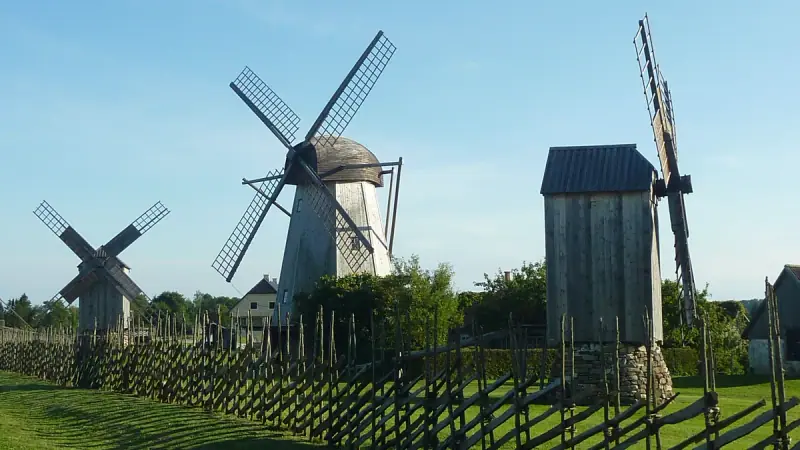
Estonia’s largest island region mixes medieval Kuressaare, meteorite geology, windmills, limestone coast and traditional Muhu villages.
Open the Estonia guide