 Nk · Public Domain
 Why visit
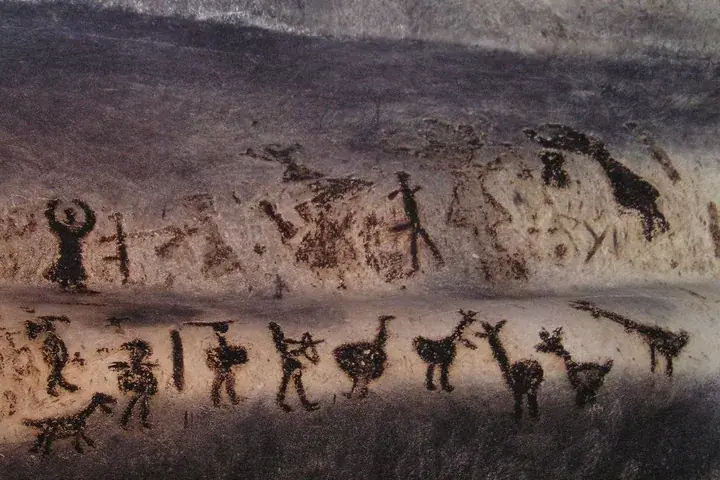
Magura Cave combines natural scale with rare evidence of prehistoric expression. The long passages and chambers show the geological development of northwestern Bulgaria’s limestone areas, while the drawings introduce a human record that is very different from later Thracian, Roman and medieval sites. Access to decorated sections can be controlled for conservation, so the cave also demonstrates why current visitor arrangements matter when fragile archaeological material survives in a living underground environment.
What you will see
- Large chambers and long underground passages.
- Prehistoric and later painted figures in protected cave sections.
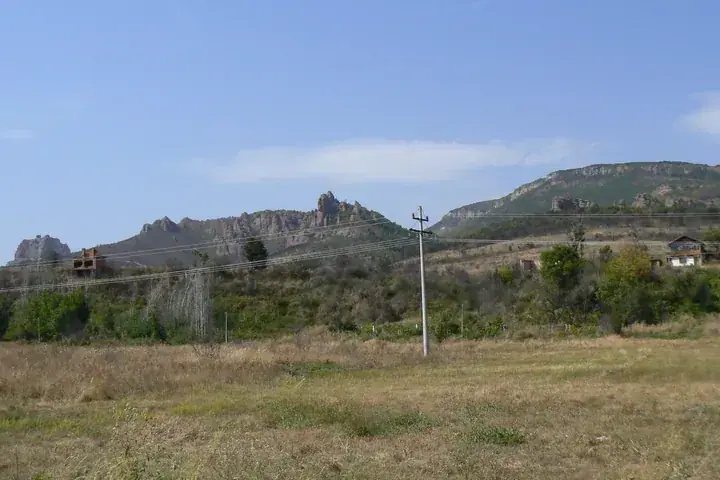
- The karst landscape around Rabisha and nearby lake.
History
Magura developed through karst processes in limestone and was used by humans during different prehistoric periods. Drawings made with dark pigment depict figures, animals and symbolic forms, although dating and interpretation continue to be studied.
Visitor tips
- 1
Confirm the current public entrance, trailhead, parking point or visitor route shortly before travel.
About Northwest and Danube West
Northwestern Bulgaria combines Danube fortifications, caves, unusual rock landscapes and memorials tied to the revolutionary and military history of the 19th century.
Open the Bulgaria guide