 Sharon Hahn Darlin · CC BY
 Why visit
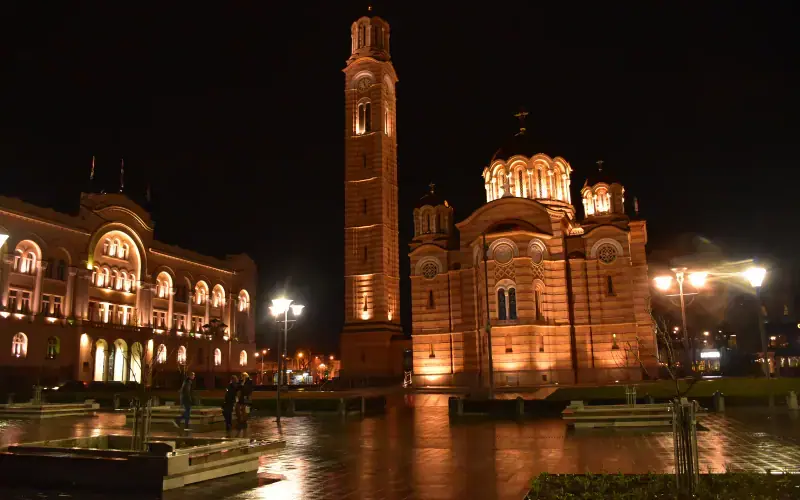
Banja Luka’s main pedestrian street, lined with Austro-Hungarian façades, shops and busy café terraces. The street developed as the modern commercial spine of the city under Austro-Hungarian administration and remains a central meeting place.
What you will see
- Pedestrian atmosphere.
- Historic façades.
- Cafés and shops.
History
The street developed as the modern commercial spine of the city under Austro-Hungarian administration and remains a central meeting place. The place should be understood within Bosnia and Herzegovina’s layered history, where medieval states, Ottoman administration, Austro-Hungarian rule, Yugoslav development and the 1992–1995 war left different traces.
Visitor tips
- 1
Allow about 75 minutes for a normal visit, with extra time for photographs, queues, worship, interpretation or rest.
- 2
Carry small local-currency cash because minor parking, donations or rural services may not always accept cards.
- 3
Dress respectfully at active religious and memorial sites and avoid disrupting worship, funerals or commemorations.
- 4
Combine this stop with nearby places in the same region to reduce backtracking and parking searches.
- 5
Check local events and religious times because access and crowd levels can change without appearing in old travel listings.