
 Ferran Llorens · CC BY-SA 2.0
 Why visit
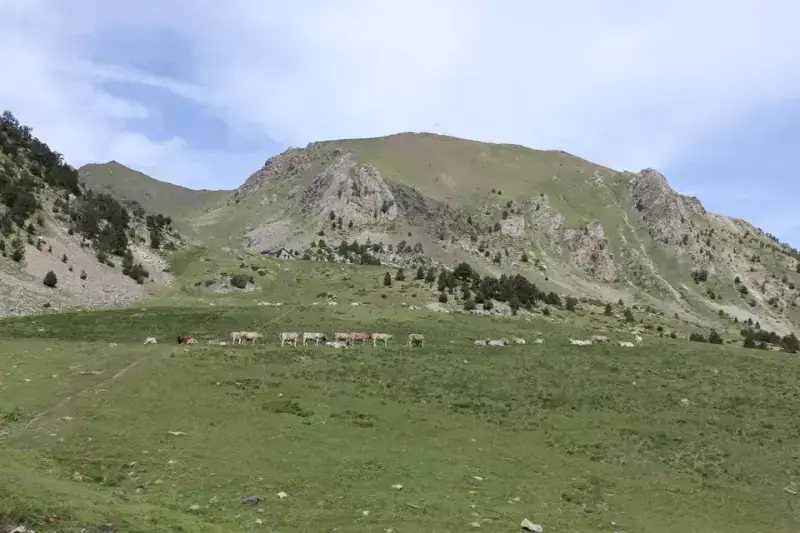
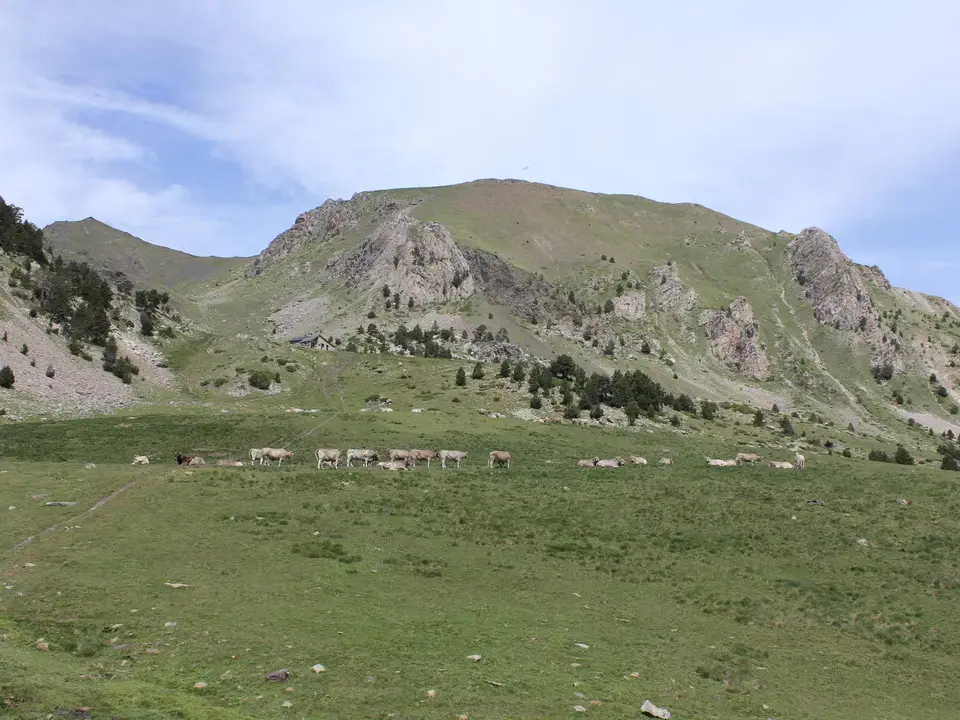
Madriu-Perafita-Claror is central to understanding Andorra beyond its villages. The valley preserves a large-scale cultural landscape where paths, seasonal shelters, stone walls, pasture and traces of earlier economic activity are read together rather than as isolated monuments. Its roadless core also demonstrates how people moved through and used high terrain before modern infrastructure. Time spent here adds context to Andorra’s churches and houses by showing the upland systems that supported communities in the valleys below.
What you will see
- Dry-stone walls and paths.
- Seasonal mountain shelters.
- Pasture and glacial valley scenery.
- Evidence of historic land use and ironworking.
History
UNESCO inscribed the Madriu-Perafita-Claror Valley on the World Heritage List in 2004, with a minor boundary modification in 2006. The protected landscape records long-term pastoral, agricultural and ironworking activity in a high Pyrenean environment.
Photographs
Ferran Llorens · CC BY-SA 2.0 · full attribution on the image credits page.
Visitor tips
- 1
Choose a route appropriate to conditions and daylight, and check official valley guidance before entering the high country.
About Madriu-Perafita-Claror
A roadless high-valley cultural landscape of pasture, dry-stone structures, paths and mountain habitats protected as a UNESCO World Heritage Site.
Open the Andorra guide