
Explore the world
Discover amazing places
Browse every place in the published Togvia catalogue — researched, sourced and dated. Filter down to what you actually want, then save one straight into a trip.
Showing tagged Landmarks · show the whole catalogue
Showing 145–168 of 2,318 places
-
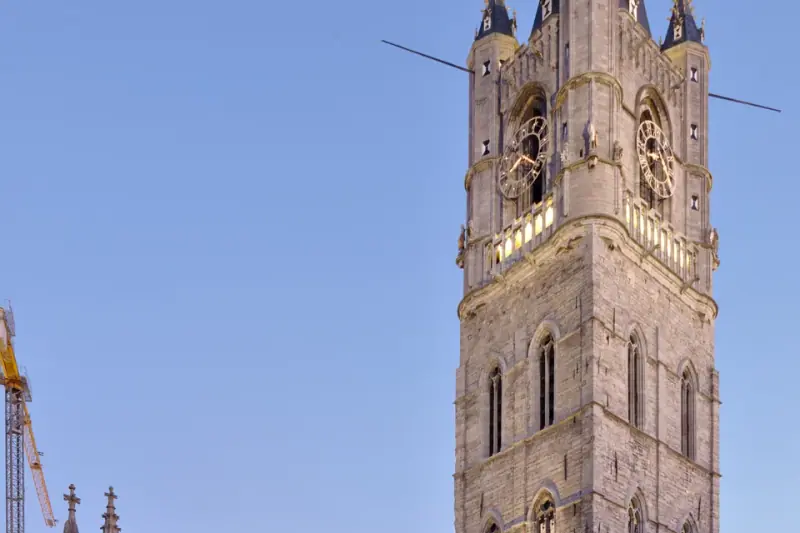
Belfry of Ghent
Ghent, Belgium
Ghent's civic belfry represents the autonomy and wealth of the medieval city, with its bell chamber and elevated views set between the cathedral and the former cloth hall.
-
Graslei and Korenlei
Ghent, Belgium
The facing quays on the River Leie are lined with restored guild and merchant houses, showing how trade, waterways and urban architecture shaped medieval and early modern Ghent.
-
STAM Ghent City Museum
Ghent, Belgium
STAM explains Ghent's urban development through maps, objects, models and historic buildings, making it useful for understanding how the medieval core expanded into a modern city.
-
Oudenaarde Town Hall and Belfry
Oudenaarde, Belgium
The richly carved late-Gothic town hall and its belfry reflect Oudenaarde's prosperity during the textile era, with civic rooms and collections linked to the town's tapestry tradition.
-
Belfry of Bruges
Bruges, Belgium
The belfry dominates Bruges' Markt and preserves the civic symbolism of a medieval trading city, with a carillon and high-level views over the dense historic centre.
-
Basilica of the Holy Blood
Bruges, Belgium
Two contrasting chapels, one Romanesque in character and one richly decorated, frame a long-standing Bruges devotion centred on a relic traditionally associated with the blood of Christ.
-
Church of Our Lady, Bruges
Bruges, Belgium
A soaring brick tower, Burgundian tomb monuments and Michelangelo's marble Madonna and Child bring together architecture, dynastic history and Renaissance sculpture.
-
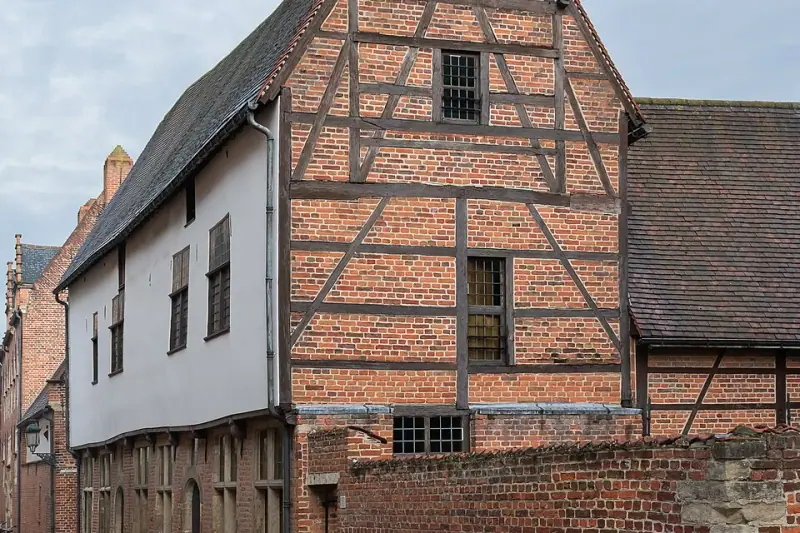
Beguinage of Bruges
Bruges, Belgium
Whitewashed houses, a quiet courtyard and mature trees preserve the enclosed character of a Flemish beguinage beside Bruges' canals, contrasting with the busier commercial streets nearby.
-
Menin Gate
Ypres, Belgium
The Menin Gate records the names of Commonwealth soldiers missing from fighting around Ypres and stands on the road along which many troops passed towards the Salient.
-
Atlantikwall Raversyde
Ostend, Belgium
Preserved bunkers, gun positions, trenches and underground spaces reveal how the Belgian coast was fortified during both world wars, with the North Sea landscape still shaping the experience.
-
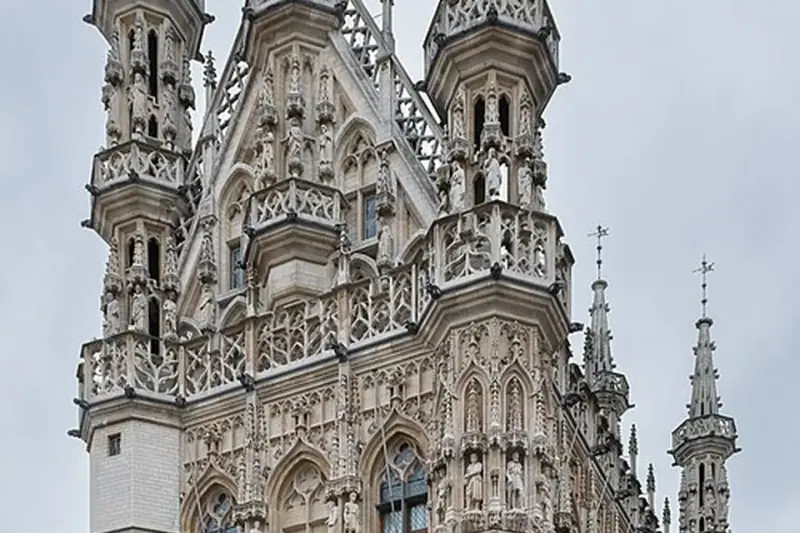
Leuven Town Hall
Leuven, Belgium
Leuven's town hall is a dense display of Brabantine Gothic stonework, pinnacles and sculpted figures facing the Grote Markt, and forms the visual centre of the historic university city.
-
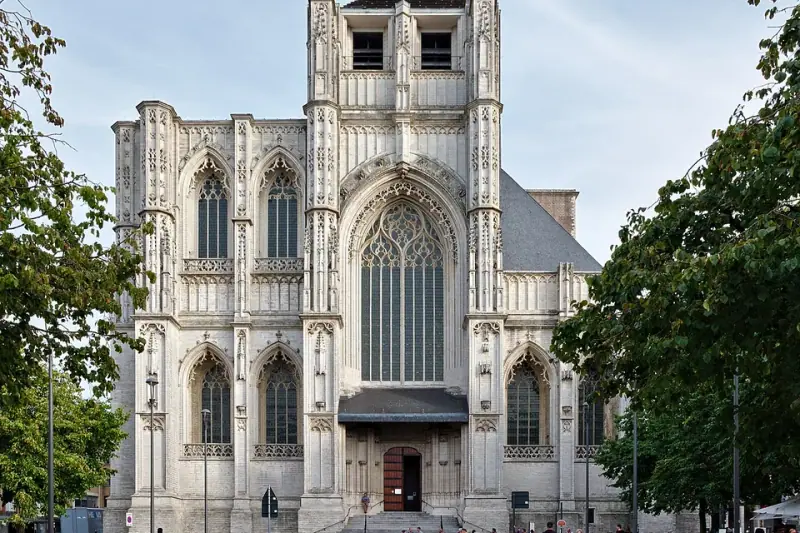
Saint Peter’s Church, Leuven
Leuven, Belgium
The church combines Brabantine Gothic architecture with important religious art, including works associated with Dieric Bouts, directly opposite Leuven's town hall.
-
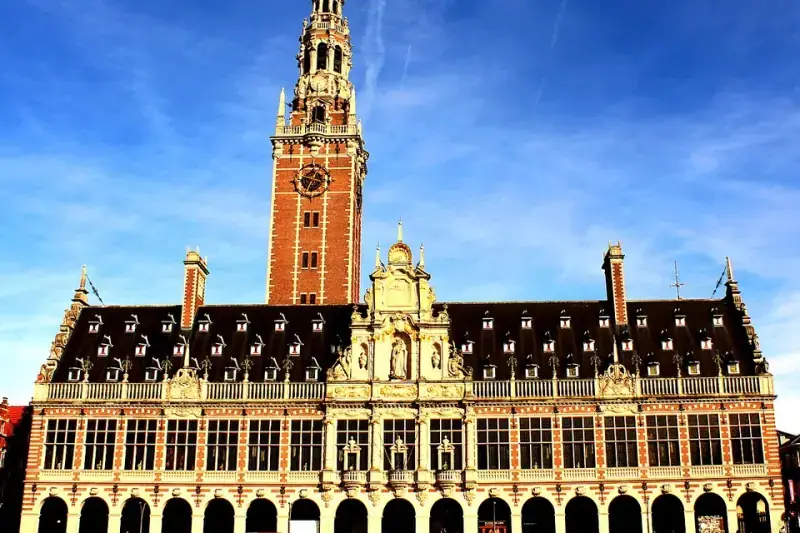
University Library, Leuven
Leuven, Belgium
The monumental library and tower embody Leuven's university history and the destruction and reconstruction experienced by the city during the two world wars.
-
Great Beguinage, Leuven
Leuven, Belgium
A compact district of brick houses, lanes, courtyards and bridges preserves the spatial character of a large Flemish beguinage while remaining integrated with Leuven's university life.
-
Bokrijk Open Air Museum
Genk, Belgium
Historic farmhouses, workshops and village buildings from Flanders are assembled across a large park, giving material form to rural architecture, trades and domestic life.
-
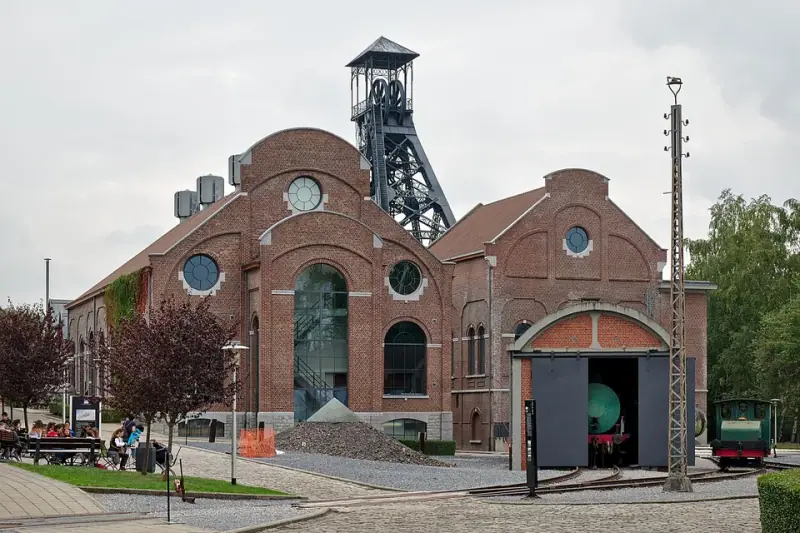
C-mine, Genk
Genk, Belgium
Former Winterslag colliery buildings, headframes and industrial spaces have been converted for culture, design and creative uses while retaining visible evidence of Limburg's coal-mining era.
-
Gallo-Roman Museum, Tongeren
Tongeren, Belgium
Archaeological collections trace human occupation in the region from prehistory through the Roman period, with particular relevance in Tongeren, Belgium's oldest Roman-founded urban centre.
-
Waterloo Battlefield and Lion’s Mound
Braine-l'Alleud, Belgium
The Lion's Mound and surrounding fields provide the clearest public vantage over the terrain where Napoleon's final campaign was decided in June 1815.
-
Villers Abbey
Villers-la-Ville, Belgium
Extensive church, cloister and monastic ruins lie within a wooded valley, making the abbey one of Belgium's most substantial surviving Cistercian landscapes.
-
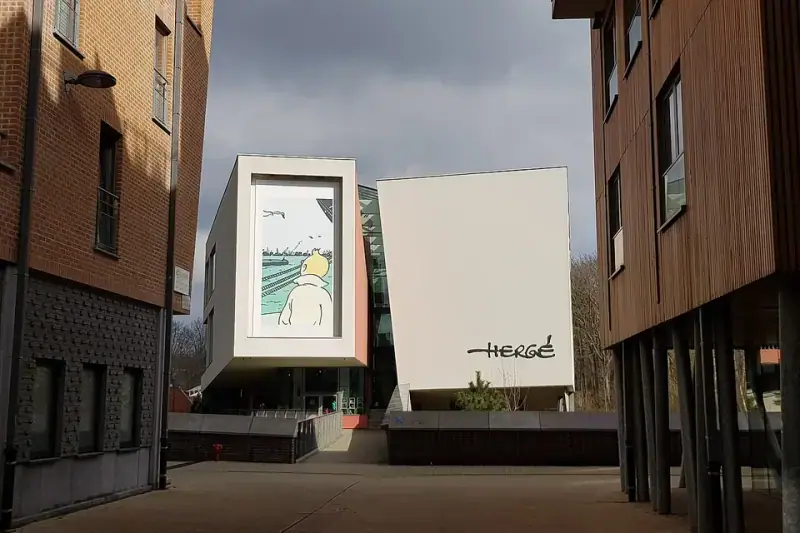
Hergé Museum
Louvain-la-Neuve, Belgium
Original drawings, documents and publications explore the career of Georges Remi, better known as Hergé, while Christian de Portzamparc's purpose-built museum adds a distinctive contemporary architectural setting.
-
Collegiate Church of Saint Gertrude, Nivelles
Nivelles, Belgium
The massive Romanesque church reflects the importance of Nivelles' early medieval religious community and stands as one of Belgium's strongest survivals of Ottonian and Romanesque architecture.
-
Belfry of Mons
Mons, Belgium
Mons' freestanding Baroque belfry rises above the historic centre and provides both a civic-history landmark and wide views across the city and surrounding Hainaut landscape.
-
Grand-Hornu
Boussu, Belgium
Neoclassical industrial buildings and workers' housing preserve an unusually coherent nineteenth-century coal-mining settlement, now reused for design and contemporary art.
-
Bois du Cazier
Charleroi, Belgium
The preserved colliery combines machinery, industrial buildings and memorial interpretation of the 1956 mining disaster, placing Charleroi's coal and steel history in a human context.