
LI Liechtenstein · 11 regions · 20 places

Explore Liechtenstein

Princely castles, Rhine Valley villages and compact Alpine landscapes

Liechtenstein compresses a remarkable range of landscapes and cultural sites into a narrow strip between the Rhine and the Rätikon. Vaduz holds the principal museums and princely landmarks, while Balzers, Triesenberg and the northern municipalities add castles, churches, Walser heritage, wetlands and high mountain scenery.

  • History 15 places
  • Architecture 8 places
  • Church 5 places
  • Viewpoint 4 places

Ready-made Liechtenstein trips

Choose a route, then make it yours. Every day is already in a sensible order.

2 days

Vaduz Culture and Castle

Vaduz

Vaduz Culture and Castle links complementary Liechtenstein places over 2 days, leaving time for short walks, historic settings and the changing landscape between the Rhine Valley and mountain slopes.

  • 7 stops
  • Walking and local bus
  • Culture and heritage
2 days

Balzers and Triesen Heritage

Balzers · Triesen

Balzers and Triesen Heritage links complementary Liechtenstein places over 2 days, leaving time for short walks, historic settings and the changing landscape between the Rhine Valley and mountain slopes.

  • 4 stops
  • Road transport and walking
  • Castles and villages
2 days

Triesenberg Alpine Culture

Triesenberg · Malbun

Triesenberg Alpine Culture links complementary Liechtenstein places over 2 days, leaving time for short walks, historic settings and the changing landscape between the Rhine Valley and mountain slopes.

  • 3 stops
  • Local bus and walking
  • Mountains and culture
2 days

Schaan and Planken

Schaan · Planken

Schaan and Planken links complementary Liechtenstein places over 2 days, leaving time for short walks, historic settings and the changing landscape between the Rhine Valley and mountain slopes.

  • 2 stops
  • Road transport and walking
  • Villages and architecture

Top places in Liechtenstein

Browse everything worth seeing. Nothing here changes your trip until you add it.

FiltersNone applied

VaduzVaduz

Website / visitor information · checked 10 Aug 2026

VaduzVaduz

Website / visitor information · checked 10 Aug 2026

VaduzVaduz

Website / visitor information · checked 10 Aug 2026

VaduzVaduz

Website / visitor information · checked 10 Aug 2026

VaduzVaduz

Website / visitor information · checked 10 Aug 2026

VaduzVaduz

Website / visitor information · checked 10 Aug 2026

VaduzVaduz

Website / visitor information · checked 10 Aug 2026

BalzersBalzers

Website / visitor information · checked 10 Aug 2026

BalzersBalzers

Website / visitor information · checked 10 Aug 2026

TriesenTriesen

Website / visitor information · checked 10 Aug 2026

TriesenbergTriesenberg

Website / visitor information · checked 10 Aug 2026

TriesenbergTriesenberg

Website / visitor information · checked 10 Aug 2026

TriesenbergTriesenberg

Website / visitor information · checked 10 Aug 2026

SchaanSchaan

Website / visitor information · checked 10 Aug 2026

PlankenPlanken

Website / visitor information · checked 10 Aug 2026

EschenEschen

Website / visitor information · checked 10 Aug 2026

MaurenMauren

Website / visitor information · checked 10 Aug 2026

GamprinGamprin

Website / visitor information · checked 10 Aug 2026

RuggellRuggell

Website / visitor information · checked 10 Aug 2026

SchellenbergSchellenberg

Website / visitor information · checked 10 Aug 2026

Travelling in Liechtenstein

How the days actually work here — seasons, transport, pace and what to do when the weather turns.

Arriving and moving around

  • Liechtenstein has no commercial airport; most international journeys arrive through neighbouring Switzerland or Austria and continue by rail, bus or road. Check current operator information before travel.
  • The principality is compact, but the climb from the Rhine Valley to Triesenberg, Steg and Malbun adds significant elevation and travel time.

Public transport

  • Bus services connect the principal settlements and cross-border rail stations, but timetables and stop patterns can change. Check current operator information for the day of travel.
  • Short distances make walking practical within individual centres such as Vaduz, Schaan and Balzers.

Mountain areas

  • Conditions in Malbun, Steg and on higher paths can differ sharply from the Rhine Valley, including snow, thunderstorms, heat and rapid weather changes.
  • Use current trail, weather and mountain-safety guidance before setting out beyond developed village areas.

Castles, churches and museums

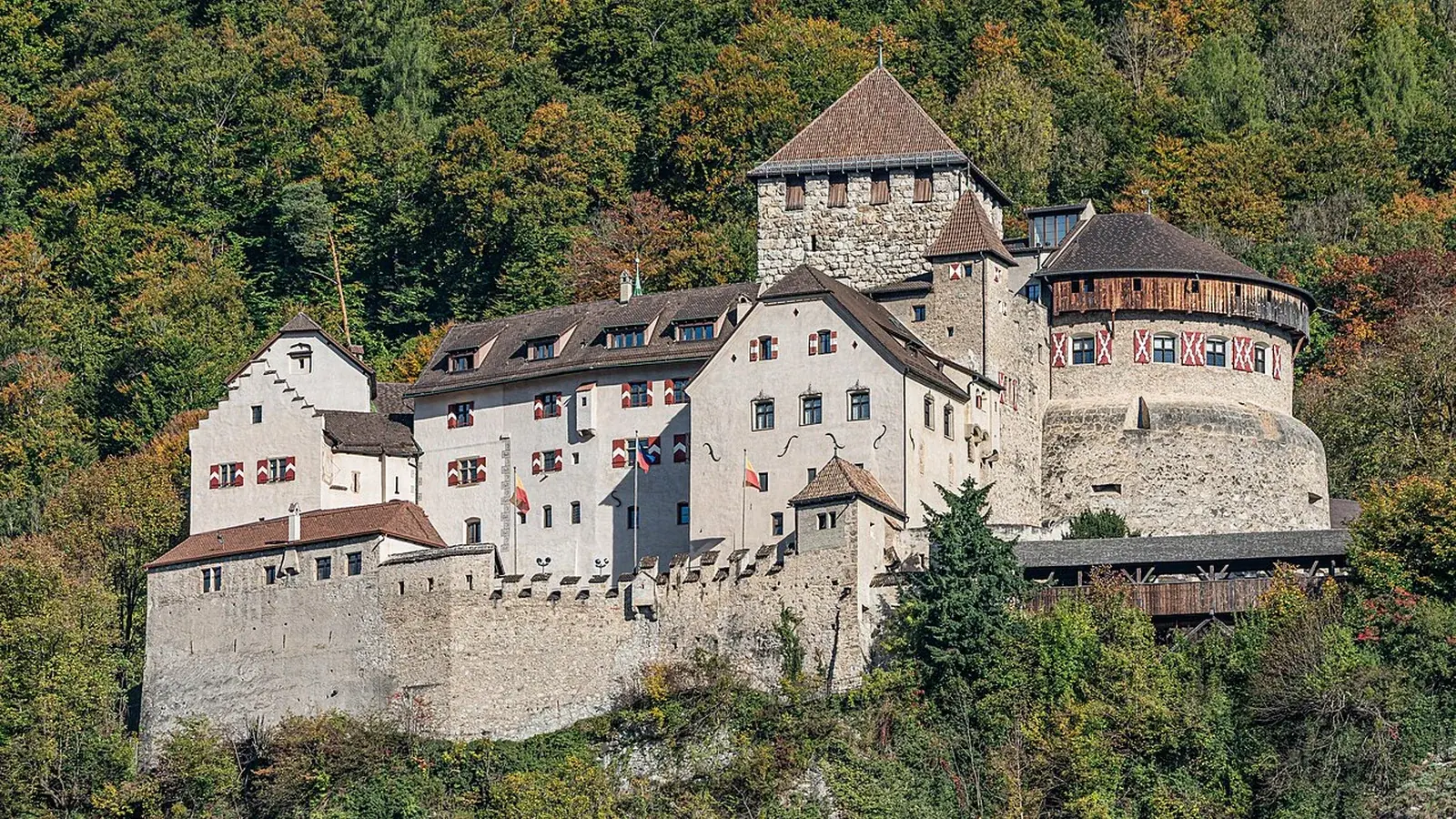
  • Vaduz Castle is a private princely residence; ordinary interior tourism should not be assumed. Other historic sites may also restrict interiors during services, events or conservation work.
  • Museum and church access, admission and exhibition arrangements can change; verify current information directly before travel.

Protected landscapes

  • Ruggeller Riet is a sensitive wetland. Remain on appropriate paths and follow current conservation signs and seasonal restrictions.
  • Alpine meadows and forest routes should be treated as working and protected landscapes rather than unrestricted recreation space.

Accessibility

  • Castles, ruins, historic churches and mountain paths can include steep slopes, steps, gravel and uneven surfaces.
  • Step-free access and accessible facilities vary significantly and should be confirmed directly when required.

Where to arrive

Vaduz central arrival area

Schaan central arrival area

Best time to visit

Late spring to early autumn for the broadest mix of valley and mountain visits

Valley heritage sites can be visited in many seasons, while higher paths around Steg and Malbun depend more strongly on snow, weather and trail conditions. Check current forecasts and local advice before mountain travel.

Suggested duration

2 to 5 days

10 ready-made routes

Getting around

Local public transport plus walking, walking, local bus services where available

Also mountain walking

Regions

11 regions

Vaduz